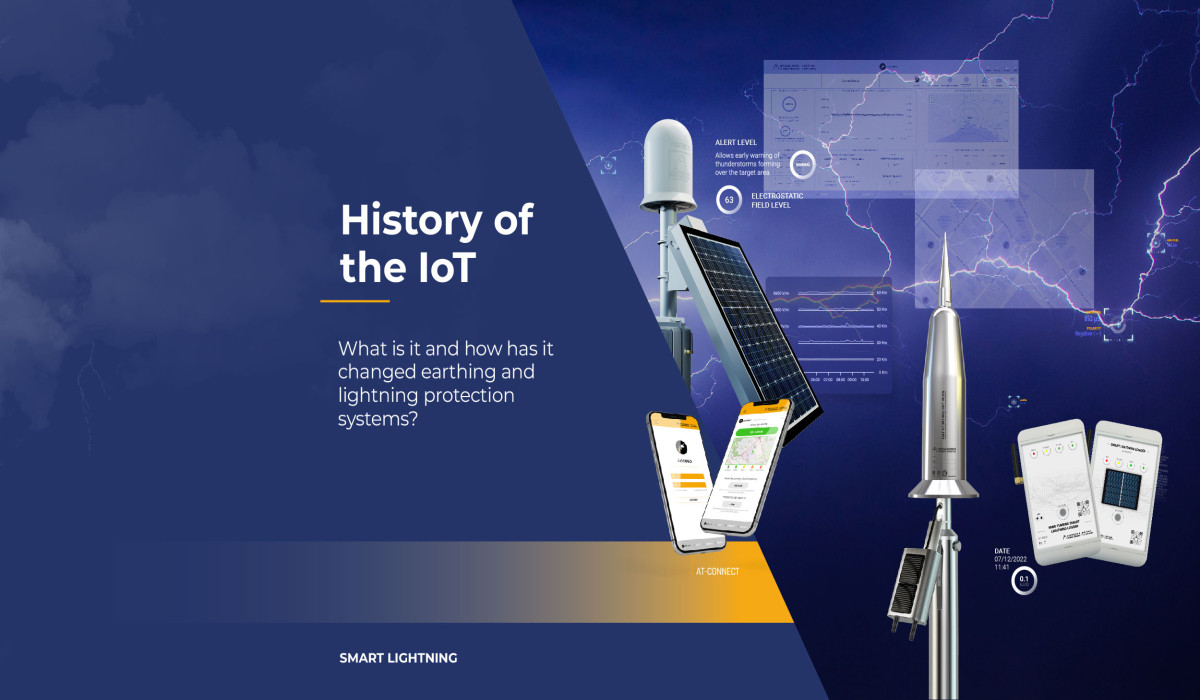
Lorem Ipsum is simply dummy text of the printing and typesetting industry. Lorem Ipsum has been the industry's standard dummy text ever since the 1500s, when an unknown printer took a galley of type and scrambled it to make a type specimen book. It has survived not only five centuries, but also the leap into electronic typesetting, remaining essentially unchanged.
It was popularised in the 1960s with the release of Letraset sheets containing Lorem Ipsum passages, and more recently with desktop publishing software like Aldus PageMaker including versions of Lorem Ipsum. Lorem Ipsum is simply dummy text of the printing and typesetting industry. Lorem Ipsum has been the industry's standard dummy text ever since the 1500s, when an unknown printer took a galley of type and scrambled it to make a type specimen book. It has survived not only five centuries.
What we did
Lorem Ipsum is simply dummy text of the printing and typesetting industry. Lorem Ipsum has been the industry's standard dummy text ever since the 1500s, when an unknown printer took a galley of type and scrambled it to make a type specimen book. It has survived not only five centuries, but also the leap into electronic typesetting, remaining essentially unchanged.
- Lorem Ipsum is simply dummy text of the printingindustry. Lorem Ipsum has been the industry's standard dummy text ever since the 1500s, when an unknown printer took a galley of type and scrambled it to make book.
- Lorem Ipsum is simply dummy text of the printingindustry. Lorem Ipsum has been the industry's standard dummy text ever since the 1500s, when an unknown printer took a galley of type and scrambled it to make book.
IoT-Based Lightning Protection Systems (LPS): The Future of Smart Surge & Strike Defense
Traditional lightning protection systems (LPS) are passive. They sit on rooftops, waiting for a strike, grounding the massive electrical surge to protect the structure. But once the storm passes, facility managers are left in the dark: Did the building take a direct hit? Was the grounding system compromised? Are the surge protective devices (SPDs) still functioning?
In a country like Bangladesh—where shifting climate patterns have led to a severe increase in yearly lightning casualties and industrial asset damage—relying on guesswork isn't an option.
An IoT-based Lightning Protection System (LPS) transforms this reactive hardware into a proactive, data-driven smart grid. By integrating the Internet of Things (IoT), facilities can monitor structural health, predict maintenance needs, and log lightning data in real time.
How an IoT-Based Lightning Protection System Works
An IoT LPS combines traditional structural protection (Franklin rods, faraday cages, and grounding networks) with advanced sensors, cloud computing, and real-time alerts.
1. Smart Sensors & Detectors
Instead of relying on manual inspections, IoT systems deploy specialized sensors across the lightning path:
-
Smart Lightning Strike Counters: Installed on down-conductors to measure the exact time, date, amplitude (kA), and polarity of a lightning strike.
-
Surge Protective Device (SPD) Monitors: Constantly track the health and degradation of SPDs, alerting teams before a surge protector fails.
-
Earth Resistance Monitors: Inject periodic test currents into the grounding pit to measure soil resistance in real time, ensuring the system can always safely dissipate a charge.
2. Edge Gateways & Cloud Connectivity
The data collected by these sensors is transmitted via low-power, long-range wireless protocols (such as LoRaWAN, NB-IoT, or Zigbee) to a local gateway. From there, the data is pushed to a secured cloud platform.
3. Real-Time Dashboard & Predictive Analytics
Through cloud-based software, facility managers receive:
-
Instant SMS or email alerts the moment a strike occurs.
-
Predictive maintenance schedules based on SPD degradation.
-
Automated compliance reports for safety regulations (e.g., BNBC, IEC 62305, or NFPA 780).
Key Benefits of Upgrading to Smart LPS
| Feature |
Traditional LPS |
IoT-Based LPS |
| Inspection Method |
Manual, periodic (often annual) |
Continuous, 24/7 automated monitoring |
| Strike Logging |
Visual inspection or basic mechanical counters |
Precise digital logging (Time, KA amplitude, Polarity) |
| Grounding Health |
Manual soil resistance testing |
Real-time ground resistance tracking |
| Downtime Risk |
High (Unnoticed SPD failure leaves assets vulnerable) |
Low (Predictive alerts prevent unprotected states) |
1. Transition from Reactive to Predictive Maintenance
Traditional systems require physical, dangerous rooftop inspections. An IoT system tells you exactly which down-conductor took a hit and which specific SPD needs replacing, saving massive amounts of labor and time.
2. Enhanced Safety for Critical Infrastructure
For high-risk industries in Bangladesh—such as data centers, garment mega-factories, oil & gas refineries, solar power plants, and telecommunication towers—a microsecond of unprotected surge can result in millions of dollars in destroyed equipment. IoT monitoring ensures zero blind spots.
3. Streamlined Regulatory Compliance
International standards like IEC 62305 and local guidelines require strict record-keeping of lightning strikes and system maintenance. IoT platforms automatically generate timestamped, unalterable logs that satisfy insurance and safety auditors perfectly.
QC Lab Solution: Your Trusted Engineering Partner in Bangladesh
When implementing cutting-edge technology like smart lightning grids, execution requires highly accurate engineering and reliable testing frameworks.
As a premier engineering laboratory solutions provider in Bangladesh, QC Lab Solution bridges the gap between sophisticated IoT industrial hardware and field-tested safety.
-
Advanced Instrumentation: QC Lab Solution delivers the precise diagnostic equipment, inspection tools, and calibration services required to keep smart LPS sensors perfectly calibrated.
-
Condition Monitoring Experts: Beyond hardware, our expertise in condition-based monitoring ensuring that your earth-resistance meters, automated sensors, and electrical preventive maintenance equipment operate without error under extreme weather conditions.
-
Local Compliance Alignment: We assist industrial and infrastructure projects across Bangladesh in validating their smart systems against rigid local and global safety standards, keeping your operations fully compliant and resilient.
Key IoT Protocols Used in Smart LPS
To ensure these systems work reliably during severe tropical storms, they leverage robust communication frameworks:
-
LoRaWAN: Ideal for expansive facilities (like solar farms or airports) due to its long-range capabilities and low power consumption.
-
NB-IoT (Narrowband IoT): Uses existing cellular networks, making it excellent for urban commercial buildings in dense areas like Dhaka and Chattogram.
-
Modbus / MQTT: Standard industrial protocols used to integrate lightning data directly into existing Building Management Systems (BMS) or SCADA networks.
IoT-Based Lightning Protection Systems (LPS): The Future of Smart Surge & Strike Defense
Traditional lightning protection systems (LPS) are passive. They sit on rooftops, waiting for a strike, grounding the massive electrical surge to protect the structure. But once the storm passes, facility managers are left in the dark: Did the building take a direct hit? Was the grounding system compromised? Are the surge protective devices (SPDs) still functioning?
In a country like Bangladesh—where shifting climate patterns have led to a severe increase in yearly lightning casualties and industrial asset damage—relying on guesswork isn't an option.
An IoT-based Lightning Protection System (LPS) transforms this reactive hardware into a proactive, data-driven smart grid. By integrating the Internet of Things (IoT), facilities can monitor structural health, predict maintenance needs, and log lightning data in real time.
How an IoT-Based Lightning Protection System Works
An IoT LPS combines traditional structural protection (Franklin rods, faraday cages, and grounding networks) with advanced sensors, cloud computing, and real-time alerts.
1. Smart Sensors & Detectors
Instead of relying on manual inspections, IoT systems deploy specialized sensors across the lightning path:
-
Smart Lightning Strike Counters: Installed on down-conductors to measure the exact time, date, amplitude (kA), and polarity of a lightning strike.
-
Surge Protective Device (SPD) Monitors: Constantly track the health and degradation of SPDs, alerting teams before a surge protector fails.
-
Earth Resistance Monitors: Inject periodic test currents into the grounding pit to measure soil resistance in real time, ensuring the system can always safely dissipate a charge.
2. Edge Gateways & Cloud Connectivity
The data collected by these sensors is transmitted via low-power, long-range wireless protocols (such as LoRaWAN, NB-IoT, or Zigbee) to a local gateway. From there, the data is pushed to a secured cloud platform.
3. Real-Time Dashboard & Predictive Analytics
Through cloud-based software, facility managers receive:
-
Instant SMS or email alerts the moment a strike occurs.
-
Predictive maintenance schedules based on SPD degradation.
-
Automated compliance reports for safety regulations (e.g., BNBC, IEC 62305, or NFPA 780).
Key Benefits of Upgrading to Smart LPS
| Feature |
Traditional LPS |
IoT-Based LPS |
| Inspection Method |
Manual, periodic (often annual) |
Continuous, 24/7 automated monitoring |
| Strike Logging |
Visual inspection or basic mechanical counters |
Precise digital logging (Time, KA amplitude, Polarity) |
| Grounding Health |
Manual soil resistance testing |
Real-time ground resistance tracking |
| Downtime Risk |
High (Unnoticed SPD failure leaves assets vulnerable) |
Low (Predictive alerts prevent unprotected states) |
1. Transition from Reactive to Predictive Maintenance
Traditional systems require physical, dangerous rooftop inspections. An IoT system tells you exactly which down-conductor took a hit and which specific SPD needs replacing, saving massive amounts of labor and time.
2. Enhanced Safety for Critical Infrastructure
For high-risk industries in Bangladesh—such as data centers, garment mega-factories, oil & gas refineries, solar power plants, and telecommunication towers—a microsecond of unprotected surge can result in millions of dollars in destroyed equipment. IoT monitoring ensures zero blind spots.
3. Streamlined Regulatory Compliance
International standards like IEC 62305 and local guidelines require strict record-keeping of lightning strikes and system maintenance. IoT platforms automatically generate timestamped, unalterable logs that satisfy insurance and safety auditors perfectly.
QC Lab Solution: Your Trusted Engineering Partner in Bangladesh
When implementing cutting-edge technology like smart lightning grids, execution requires highly accurate engineering and reliable testing frameworks.
As a premier engineering laboratory solutions provider in Bangladesh, QC Lab Solution bridges the gap between sophisticated IoT industrial hardware and field-tested safety.
-
Advanced Instrumentation: QC Lab Solution delivers the precise diagnostic equipment, inspection tools, and calibration services required to keep smart LPS sensors perfectly calibrated.
-
Condition Monitoring Experts: Beyond hardware, our expertise in condition-based monitoring ensuring that your earth-resistance meters, automated sensors, and electrical preventive maintenance equipment operate without error under extreme weather conditions.
-
Local Compliance Alignment: We assist industrial and infrastructure projects across Bangladesh in validating their smart systems against rigid local and global safety standards, keeping your operations fully compliant and resilient.
Key IoT Protocols Used in Smart LPS
To ensure these systems work reliably during severe tropical storms, they leverage robust communication frameworks:
-
LoRaWAN: Ideal for expansive facilities (like solar farms or airports) due to its long-range capabilities and low power consumption.
-
NB-IoT (Narrowband IoT): Uses existing cellular networks, making it excellent for urban commercial buildings in dense areas like Dhaka and Chattogram.
-
Modbus / MQTT: Standard industrial protocols used to integrate lightning data directly into existing Building Management Systems (BMS) or SCADA networks.
IoT-Based Lightning Protection Systems (LPS): The Future of Smart Surge & Strike Defense
Traditional lightning protection systems (LPS) are passive. They sit on rooftops, waiting for a strike, grounding the massive electrical surge to protect the structure. But once the storm passes, facility managers are left in the dark: Did the building take a direct hit? Was the grounding system compromised? Are the surge protective devices (SPDs) still functioning?
In a country like Bangladesh—where shifting climate patterns have led to a severe increase in yearly lightning casualties and industrial asset damage—relying on guesswork isn't an option.
An IoT-based Lightning Protection System (LPS) transforms this reactive hardware into a proactive, data-driven smart grid. By integrating the Internet of Things (IoT), facilities can monitor structural health, predict maintenance needs, and log lightning data in real time.
How an IoT-Based Lightning Protection System Works
An IoT LPS combines traditional structural protection (Franklin rods, faraday cages, and grounding networks) with advanced sensors, cloud computing, and real-time alerts.
1. Smart Sensors & Detectors
Instead of relying on manual inspections, IoT systems deploy specialized sensors across the lightning path:
-
Smart Lightning Strike Counters: Installed on down-conductors to measure the exact time, date, amplitude (kA), and polarity of a lightning strike.
-
Surge Protective Device (SPD) Monitors: Constantly track the health and degradation of SPDs, alerting teams before a surge protector fails.
-
Earth Resistance Monitors: Inject periodic test currents into the grounding pit to measure soil resistance in real time, ensuring the system can always safely dissipate a charge.
2. Edge Gateways & Cloud Connectivity
The data collected by these sensors is transmitted via low-power, long-range wireless protocols (such as LoRaWAN, NB-IoT, or Zigbee) to a local gateway. From there, the data is pushed to a secured cloud platform.
3. Real-Time Dashboard & Predictive Analytics
Through cloud-based software, facility managers receive:
-
Instant SMS or email alerts the moment a strike occurs.
-
Predictive maintenance schedules based on SPD degradation.
-
Automated compliance reports for safety regulations (e.g., BNBC, IEC 62305, or NFPA 780).
Key Benefits of Upgrading to Smart LPS
| Feature |
Traditional LPS |
IoT-Based LPS |
| Inspection Method |
Manual, periodic (often annual) |
Continuous, 24/7 automated monitoring |
| Strike Logging |
Visual inspection or basic mechanical counters |
Precise digital logging (Time, KA amplitude, Polarity) |
| Grounding Health |
Manual soil resistance testing |
Real-time ground resistance tracking |
| Downtime Risk |
High (Unnoticed SPD failure leaves assets vulnerable) |
Low (Predictive alerts prevent unprotected states) |
1. Transition from Reactive to Predictive Maintenance
Traditional systems require physical, dangerous rooftop inspections. An IoT system tells you exactly which down-conductor took a hit and which specific SPD needs replacing, saving massive amounts of labor and time.
2. Enhanced Safety for Critical Infrastructure
For high-risk industries in Bangladesh—such as data centers, garment mega-factories, oil & gas refineries, solar power plants, and telecommunication towers—a microsecond of unprotected surge can result in millions of dollars in destroyed equipment. IoT monitoring ensures zero blind spots.
3. Streamlined Regulatory Compliance
International standards like IEC 62305 and local guidelines require strict record-keeping of lightning strikes and system maintenance. IoT platforms automatically generate timestamped, unalterable logs that satisfy insurance and safety auditors perfectly.
QC Lab Solution: Your Trusted Engineering Partner in Bangladesh
When implementing cutting-edge technology like smart lightning grids, execution requires highly accurate engineering and reliable testing frameworks.
As a premier engineering laboratory solutions provider in Bangladesh, QC Lab Solution bridges the gap between sophisticated IoT industrial hardware and field-tested safety.
-
Advanced Instrumentation: QC Lab Solution delivers the precise diagnostic equipment, inspection tools, and calibration services required to keep smart LPS sensors perfectly calibrated.
-
Condition Monitoring Experts: Beyond hardware, our expertise in condition-based monitoring ensuring that your earth-resistance meters, automated sensors, and electrical preventive maintenance equipment operate without error under extreme weather conditions.
-
Local Compliance Alignment: We assist industrial and infrastructure projects across Bangladesh in validating their smart systems against rigid local and global safety standards, keeping your operations fully compliant and resilient.
Key IoT Protocols Used in Smart LPS
To ensure these systems work reliably during severe tropical storms, they leverage robust communication frameworks:
-
LoRaWAN: Ideal for expansive facilities (like solar farms or airports) due to its long-range capabilities and low power consumption.
-
NB-IoT (Narrowband IoT): Uses existing cellular networks, making it excellent for urban commercial buildings in dense areas like Dhaka and Chattogram.
-
Modbus / MQTT: Standard industrial protocols used to integrate lightning data directly into existing Building Management Systems (BMS) or SCADA networks.
IoT-Based Lightning Protection Systems (LPS): The Future of Smart Surge & Strike Defense
Traditional lightning protection systems (LPS) are passive. They sit on rooftops, waiting for a strike, grounding the massive electrical surge to protect the structure. But once the storm passes, facility managers are left in the dark: Did the building take a direct hit? Was the grounding system compromised? Are the surge protective devices (SPDs) still functioning?
In a country like Bangladesh—where shifting climate patterns have led to a severe increase in yearly lightning casualties and industrial asset damage—relying on guesswork isn't an option.
An IoT-based Lightning Protection System (LPS) transforms this reactive hardware into a proactive, data-driven smart grid. By integrating the Internet of Things (IoT), facilities can monitor structural health, predict maintenance needs, and log lightning data in real time.
How an IoT-Based Lightning Protection System Works
An IoT LPS combines traditional structural protection (Franklin rods, faraday cages, and grounding networks) with advanced sensors, cloud computing, and real-time alerts.
1. Smart
Sensors & Detectors
Instead of relying on manual inspections, IoT systems deploy specialized sensors across the lightning path:
-
Smart Lightning Strike Counters: Installed on down-conductors to measure the exact time, date, amplitude (kA), and polarity of a lightning strike.
-
Surge Protective Device (SPD) Monitors: Constantly track the health and degradation of SPDs, alerting teams before a surge protector fails.
-
Earth Resistance Monitors: Inject periodic test currents into the grounding pit to measure soil resistance in real time, ensuring the system can always safely dissipate a charge.
2. Edge Gateways & Cloud Connectivity
The data collected by these sensors is transmitted via low-power, long-range wireless protocols (such as LoRaWAN, NB-IoT, or Zigbee) to a local gateway. From there, the data is pushed to a secured cloud platform.
3. Real-Time Dashboard & Predictive Analytics
Through cloud-based software, facility managers receive:
-
Instant SMS or email alerts the moment a strike occurs.
-
Predictive maintenance schedules based on SPD degradation.
-
Automated compliance reports for safety regulations (e.g., BNBC, IEC 62305, or NFPA 780).
Key Benefits of Upgrading to Smart LPS
| Feature |
Traditional LPS |
IoT-Based LPS |
| Inspection Method |
Manual, periodic (often annual) |
Continuous, 24/7 automated monitoring |
| Strike Logging |
Visual inspection or basic mechanical counters |
Precise digital logging (Time, KA amplitude, Polarity) |
| Grounding Health |
Manual soil resistance testing |
Real-time ground resistance tracking |
| Downtime Risk |
High (Unnoticed SPD failure leaves assets vulnerable) |
Low (Predictive alerts prevent unprotected states) |
1. Transition from Reactive to Predictive Maintenance
Traditional systems require physical, dangerous rooftop inspections. An IoT system tells you exactly which down-conductor took a hit and which specific SPD needs replacing, saving massive amounts of labor and time.
2. Enhanced Safety for Critical Infrastructure
For high-risk industries in Bangladesh—such as data centers, garment mega-factories, oil & gas refineries, solar power plants, and telecommunication towers—a microsecond of unprotected surge can result in millions of dollars in destroyed equipment. IoT monitoring ensures zero blind spots.
3. Streamlined Regulatory Compliance
International standards like IEC 62305 and local guidelines require strict record-keeping of lightning strikes and system maintenance. IoT platforms automatically generate timestamped, unalterable logs that satisfy insurance and safety auditors perfectly.
QC Lab Solution: Your Trusted Engineering Partner in Bangladesh
When implementing cutting-edge technology like smart lightning grids, execution requires highly accurate engineering and reliable testing frameworks.
As a premier engineering laboratory solutions provider in Bangladesh, QC Lab Solution bridges the gap between sophisticated IoT industrial hardware and field-tested safety.
-
Advanced Instrumentation: QC Lab Solution delivers the precise diagnostic equipment, inspection tools, and calibration services required to keep smart LPS sensors perfectly calibrated.
-
Condition Monitoring Experts: Beyond hardware, our expertise in condition-based monitoring ensuring that your earth-resistance meters, automated sensors, and electrical preventive maintenance equipment operate without error under extreme weather conditions.
-
Local Compliance Alignment: We assist industrial and infrastructure projects across Bangladesh in validating their smart systems against rigid local and global safety standards, keeping your operations fully compliant and resilient.
Key IoT Protocols Used in Smart LPS
To ensure these systems work reliably during severe tropical storms, they leverage robust communication frameworks:
-
LoRaWAN: Ideal for expansive facilities (like solar farms or airports) due to its long-range capabilities and low power consumption.
-
NB-IoT (Narrowband IoT): Uses existing cellular networks, making it excellent for urban commercial buildings in dense areas like Dhaka and Chattogram.
-
Modbus / MQTT: Standard industrial protocols used to integrate lightning data directly into existing Building Management Systems (BMS) or SCADA networks.