
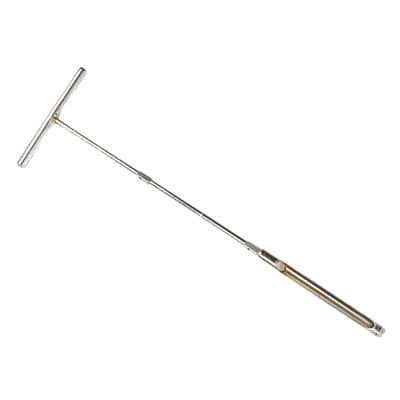
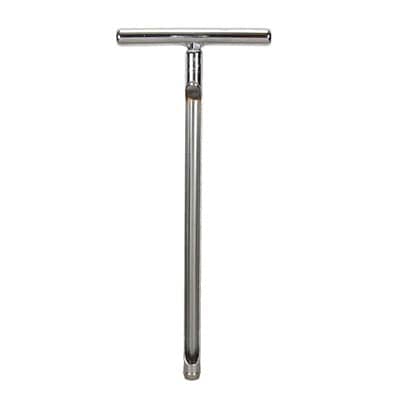
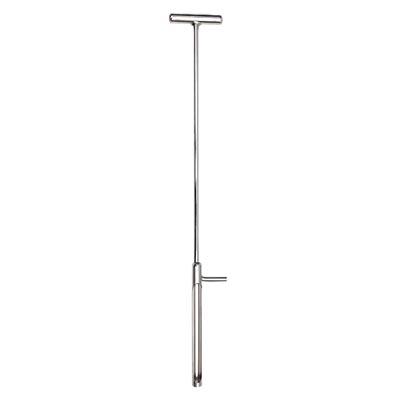
Humboldt's Classic Soil Sampler is a 36" one-piece soil sampler, with an 8" handle. It provides a 9" x 0.75" sample. The tube is marked in 6" intervals and provides easy unloading of the sample. It has a 12" soil tube, which uses replaceable, screw-on soil tips.
Tube sets are helpful and functional for agricultural and other soil-testing procedures. Sampling tube will produce 15" (381mm) core of soil. Includes 18" (457mm) long, 7/8" (22mm) ID sampling tube, handle and carrying case.
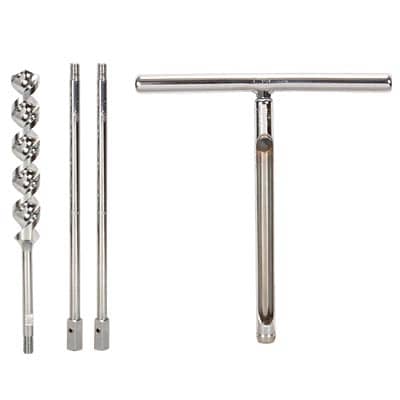
Set contains auger and sampling tube. Components are plated steel to resist abrasive action of soil. Includes 1.25" (25mm) dia. by 12.5" (318mm) long auger, 1" (approx. 25mm) OD by 12.5" (318mm) long sampling tube, two 12" (305mm) extension rods, handle and a fiberboard carrying case.
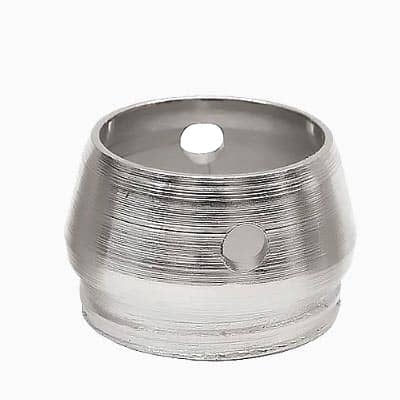
Soil tips are replaceable and work on the following Sampling Tubes: H-4261, H-4362, H-4268 and H-4269. Buying extra tips for your soil sampling tool can be a convenient and economic way to increase the lifespan of your equipment. Tips are 0.75" in diameter and nickel plated to add extra strength and resist corrosion. The Regular Soil Tip was specially designed for use in areas with many different soil and moisture types. This is an "all purpose" tip, so if you aren't sure which tip to get, this is a great option. Dry Soil Tip was specially designed for use in areas with sand or very dry soil. Wet Soil Tip was designed for use in clay, mud, or very wet soil and moisture types. It has a thicker ridge on the inside to help hold onto the wet soil better. The Heavy Duty Soil Tip was designed for use in areas with hard soil, gravel or other difficult soil types.
Footstep Soil Sampler is a 36" one-piece soil sampler with a welded-on footstep. It has a 12" soil tube, which uses replaceable, screw-on soil tips. A 5" handle is welded on to the probe for convenience. The 36" height makes it easy on your back. The sampler provides a 9" x 0.75" sample. The tube is marked in 6" intervals and provides easy unloading of the sample.
Soil Sampling equipment is used to collect undisturbed or disturbed soil samples from the field for laboratory testing. These tools are essential for geotechnical investigations, environmental analysis, and construction site evaluation.