
Penetration Equipment in Bangladesh
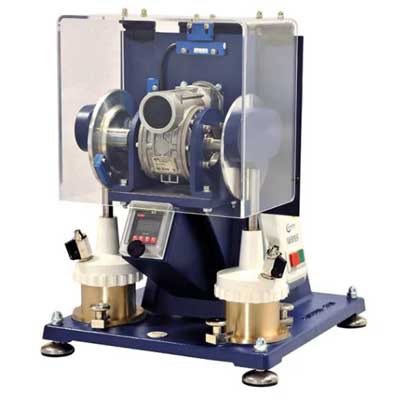
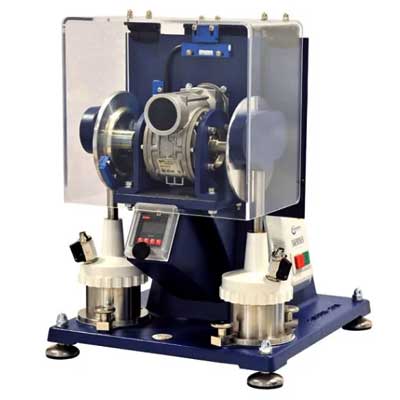
Bitumen and asphalt materials require careful laboratory evaluation to determine their consistency and suitability for construction applications. Penetration Equipment in Bangladesh provides reliable solutions for measuring the consistency of bituminous materials under controlled laboratory conditions. These instruments are widely used in road construction laboratories, petroleum testing facilities, civil engineering laboratories, asphalt plants, research institutions, and quality control departments. A penetration test helps engineers understand how easily a standard test needle enters a bitumen sample under specified conditions. The resulting measurement provides useful information about material consistency and helps with product classification and quality assessment. Professional penetration equipment is designed for stable operation, precise sample positioning, controlled testing conditions, and convenient measurement. Durable construction and easy maintenance make these instruments suitable for frequent laboratory use.
Importance of Bitumen Penetration Testing
Penetration testing is an important method for evaluating the consistency of bituminous materials. The penetration value provides engineers with useful information about whether a bitumen sample is relatively hard or soft under defined testing conditions. This information can support material selection and quality control for asphalt applications. Consistent testing is especially important because bitumen properties can influence pavement performance, workability, temperature response, and durability. Laboratory personnel use penetration equipment to compare samples, monitor production quality, and verify material characteristics. Reliable instruments help maintain repeatable test conditions and reduce measurement variation. Proper sample preparation, temperature control, and test procedures are also essential for obtaining dependable results. A well maintained penetration tester therefore plays an important role in asphalt and petroleum laboratory operations.
Bitumen Penetrometer for Laboratory Testing
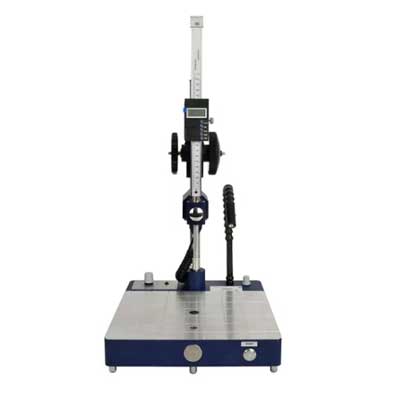
A bitumen penetrometer is the primary instrument used for penetration testing. It is designed to hold the test sample and guide the penetration needle under controlled conditions. The instrument should provide stable vertical movement and accurate measurement of penetration depth. A suitable laboratory penetrometer may include a precision needle assembly, sample container support, timer, measurement mechanism, and temperature controlled testing arrangement. Clear controls make the instrument easier for technicians to operate. Strong mechanical construction helps maintain alignment during repeated tests. Depending on the laboratory requirement, digital measurement and display features can further simplify result recording. Selecting a reliable penetrometer helps laboratories improve testing consistency and supports dependable evaluation of bituminous materials.
Penetration Testing of Asphalt and Bitumen
Asphalt and bitumen are widely used in road construction and infrastructure projects. Their consistency has a direct influence on handling, mixing, paving, and pavement performance. Penetration testing provides a practical method for evaluating this property under controlled conditions. Engineers can use the test to compare different bitumen grades and assess consistency during quality control. The test is also useful when investigating material variations between production batches. Reliable penetration equipment helps maintain the required testing environment and provides consistent measurement of needle movement. Proper sample preparation is equally important because contamination, temperature variation, or an uneven surface can affect the result. A professional laboratory testing setup supports better control over asphalt material evaluation.
Temperature Control During Penetration Testing
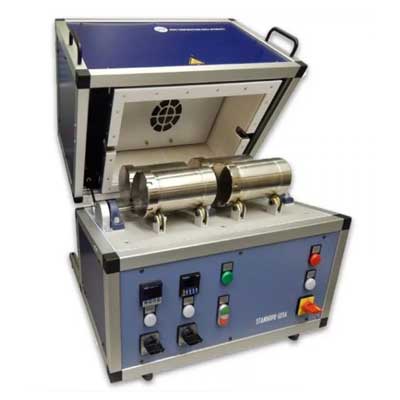
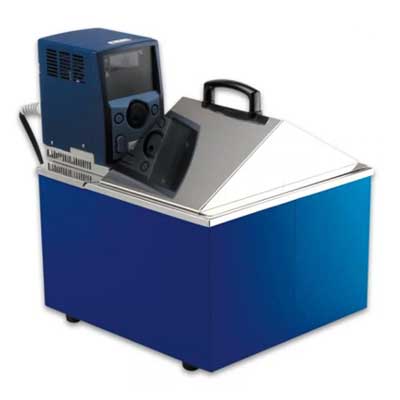
Temperature control is a critical part of penetration testing because bitumen consistency changes with temperature. Even a small variation in test conditions can influence the penetration behavior of a sample. For this reason, professional penetration testing systems are often used together with suitable water baths or temperature controlled environments. Stable temperature conditions help ensure that different samples are evaluated under comparable circumstances. Temperature monitoring systems should provide reliable readings and maintain consistent conditions throughout the test. Laboratory personnel should also allow samples to reach the required test condition before measurement. Proper temperature control improves repeatability and makes test results more useful for quality control and material comparison.
Penetration Needle and Sample Accessories
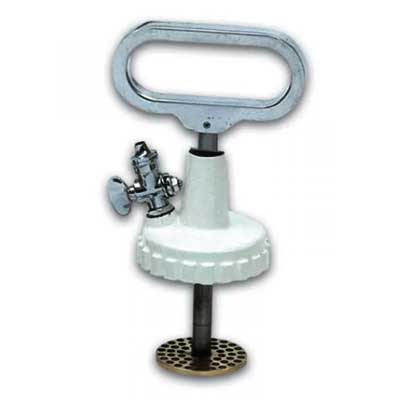
The penetration needle is a critical component of a bitumen penetration testing system. It must be properly aligned, clean, and suitable for the intended testing procedure. Sample containers should also provide appropriate dimensions and stable support during testing. Other accessories may include transfer tools, thermometers, water baths, sample dishes, timing systems, and cleaning equipment. Each component contributes to the reliability of the overall test. Contaminated or damaged accessories can affect measurement quality and may introduce unwanted variation. Proper cleaning and storage are therefore important after each testing session. Laboratories should use compatible accessories and replace worn components when necessary. Quality accessories improve the usability and reliability of penetration testing equipment.
Applications in Road Construction Laboratories
Road construction laboratories use penetration equipment to evaluate bitumen and asphalt materials before and during pavement projects. Testing helps engineers verify whether materials are suitable for specified applications and whether supplied products maintain consistent characteristics. Penetration testing can support incoming material inspection, production quality control, pavement research, and construction material evaluation. Laboratory technicians may compare samples from different sources or production batches to identify variations. Reliable test equipment provides controlled conditions for these evaluations. This information helps engineers make better decisions about asphalt materials used in roads, highways, bridges, airport pavements, and other infrastructure projects. Proper laboratory testing contributes to improved pavement design and long term material performance.
Petroleum Laboratory Applications
Penetration equipment is also relevant to petroleum and bitumen testing laboratories. Petroleum laboratories may evaluate bituminous products, paving materials, and related petroleum derived substances as part of product quality assessment. Reliable laboratory instruments help technicians determine material characteristics and compare products according to established testing procedures. Penetration testing can complement other petroleum tests such as softening point, viscosity, ductility, and flash point evaluation. Using a coordinated testing approach provides engineers with a broader understanding of material behavior. Durable equipment is especially useful in busy petroleum laboratories where instruments are operated regularly. Proper calibration, cleaning, and maintenance help preserve measurement reliability over time.
Quality Control of Bitumen Products
Quality control is essential for manufacturers, suppliers, and users of bitumen products. Variations in raw materials, processing conditions, additives, and storage can influence bitumen consistency. Penetration testing provides useful data for monitoring these changes. Quality control teams can test representative samples and compare results with the applicable material requirements. Consistent results help identify production variations and support better process management. Penetration equipment should maintain stable testing conditions so that differences in results reflect the material rather than equipment instability. Regular inspection and calibration further improve confidence in the testing process. Reliable quality control contributes to better product consistency and helps ensure that bituminous materials are suitable for their intended applications.
Penetration Testing for Asphalt Pavement Performance
Pavement performance depends on the characteristics of the materials used in construction. Bitumen must provide an appropriate balance of consistency, flexibility, temperature response, and durability. Penetration testing contributes to the evaluation of these properties by indicating the consistency of the binder under defined conditions. Engineers can use penetration results alongside other laboratory data when assessing asphalt materials. This supports informed material selection and pavement design decisions. Properly selected bitumen can contribute to better resistance against deformation, cracking, and environmental effects. While penetration testing is not the only factor used in pavement evaluation, it remains a useful laboratory method for characterizing conventional bituminous binders.
Features of Modern Penetration Testing Equipment
Modern penetration testing equipment is designed to provide stable operation and convenient measurement. Useful features may include digital displays, precision measurement mechanisms, adjustable sample supports, accurate timers, and stable needle assemblies. Temperature control compatibility is also important for maintaining consistent testing conditions. Durable metal construction can help the instrument withstand repeated laboratory use. Clear controls and easy sample positioning reduce operator effort and improve workflow efficiency. Some systems may also provide simplified result recording and monitoring functions. When selecting equipment, laboratories should focus on measurement reliability, mechanical stability, ease of maintenance, and compatibility with their testing procedures. Good equipment design helps technicians perform routine tests efficiently.
Benefits of Reliable Penetration Equipment
Reliable Penetration Equipment in Bangladesh helps laboratories achieve consistent and repeatable material evaluation. Stable equipment reduces unnecessary variation and allows technicians to focus on proper sample preparation and testing procedures. Accurate penetration measurement supports better quality control and material comparison. Durable construction can also reduce maintenance requirements and improve long term usability. Easy operation helps laboratory staff perform routine testing without unnecessary complexity. Reliable equipment is valuable for manufacturers, contractors, government laboratories, research institutions, and educational facilities involved in civil engineering or petroleum testing. By maintaining suitable equipment and proper laboratory practices, organizations can improve confidence in their bitumen and asphalt testing results.
Calibration and Maintenance of Penetrometers
Regular calibration and maintenance are essential for maintaining the accuracy of penetration testing equipment. Measurement systems, timers, temperature sensors, and other critical components should be checked according to laboratory procedures and manufacturer recommendations. The penetration needle should remain clean and free from damage. Sample containers and supporting surfaces should also be cleaned after testing. Mechanical components should be inspected for smooth movement and proper alignment. Temperature control equipment should be monitored to ensure stable test conditions. Proper maintenance reduces the risk of inaccurate results and extends equipment service life. Maintaining calibration records also supports quality assurance and provides useful documentation for laboratory audits and technical reviews.
Choosing Penetration Equipment in Bangladesh
Choosing suitable Penetration Equipment in Bangladesh requires consideration of the laboratory's testing requirements, sample types, applicable test procedures, measurement method, temperature control needs, and frequency of use. Engineers should evaluate the mechanical quality of the penetrometer, measurement stability, sample handling system, display or reading mechanism, and accessory availability. Durable construction is important for laboratories that perform regular testing. Buyers should also consider installation assistance, operator training, calibration services, spare parts, and technical support. Working with an experienced laboratory equipment supplier can make selection and installation easier. Proper equipment selection ensures that the laboratory receives a practical testing solution that matches its actual operational needs.
Safety and Proper Laboratory Practices
Although penetration testing is a controlled laboratory procedure, proper safety practices remain important. Bitumen and asphalt samples may require heating before testing, so laboratory personnel should use suitable protective equipment and follow established handling procedures. Heated surfaces and samples should be handled carefully to prevent burns or accidental spills. Equipment should be placed on a stable laboratory surface and kept clean during operation. Electrical components should be protected from moisture when temperature controlled baths are used. Operators should follow the manufacturer's instructions and applicable laboratory safety procedures. Good housekeeping and proper sample handling help protect personnel, equipment, and test quality.
Reliable Bitumen Testing Solutions
Penetration Equipment in Bangladesh provides an important laboratory solution for evaluating the consistency of bitumen and asphalt materials used in construction and petroleum applications. Accurate penetration testing supports quality control, material comparison, research, and pavement engineering. Reliable penetrometers combine stable mechanical operation, precise measurement, practical sample handling, and durable construction. Proper temperature control, calibration, cleaning, and maintenance further improve testing reliability. For road construction laboratories, petroleum facilities, asphalt manufacturers, research organizations, and engineering institutions, suitable penetration testing equipment helps create a dependable material evaluation process. Selecting quality equipment from a reliable supplier ensures better usability, technical support, and long term laboratory performance.