





General Laboratory Equipment in Bangladesh
Modern scientific and industrial laboratories depend on reliable instruments to perform testing, research, analysis, and quality control efficiently. General Laboratory Equipment in Bangladesh covers a broad range of essential laboratory instruments used across educational institutions, pharmaceutical companies, food laboratories, chemical industries, medical facilities, research centers, and manufacturing organizations. These equipment solutions help laboratory professionals prepare samples, measure physical properties, control experimental conditions, and maintain consistent testing procedures. Good laboratory equipment should provide dependable performance, convenient operation, durable construction, and suitable accuracy for its intended application. Selecting appropriate instruments also helps laboratories improve workflow, maintain safety, and achieve repeatable results. From basic sample preparation tools to advanced analytical support equipment, a properly equipped laboratory creates a reliable environment for scientific and industrial work.
Importance of General Laboratory Equipment
General laboratory equipment forms the foundation of many laboratory operations. Instruments such as balances, ovens, hot plates, stirrers, microscopes, centrifuges, water baths, and laboratory meters support routine testing and research activities. Reliable equipment allows technicians to perform procedures with better control and consistency. It also reduces the possibility of errors caused by unstable operating conditions or unsuitable instruments. Laboratories often handle different types of samples and testing procedures, so versatile equipment can be especially valuable. Properly selected instruments improve productivity while supporting safe and organized laboratory practices. Durable construction is another important consideration because laboratory equipment may be used frequently over long operating periods. A dependable laboratory setup ultimately helps organizations maintain better quality control and scientific performance.
Laboratory Equipment for Sample Preparation
Sample preparation is an important part of laboratory testing because the quality of the prepared sample can directly affect analytical results. General laboratory equipment supports activities such as weighing, mixing, heating, grinding, filtering, separating, and transferring samples. Laboratory balances provide accurate measurement of sample quantities, while mixers and stirrers help achieve uniform compositions. Centrifuges can support separation processes, and ovens or drying equipment can help remove moisture under controlled conditions. Suitable sample preparation equipment improves consistency between tests and makes laboratory procedures more efficient. Instruments should be selected according to sample characteristics, required operating conditions, and testing methods. Easy cleaning is also valuable because proper sample handling helps prevent cross contamination and protects the reliability of future testing.
Laboratory Heating and Temperature Control Equipment
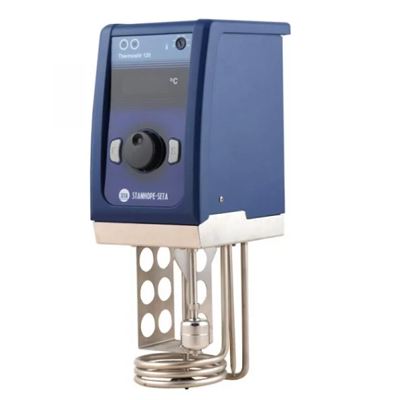
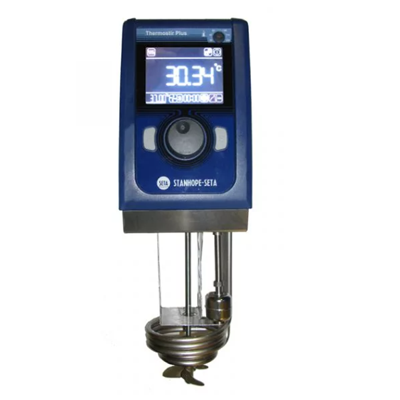
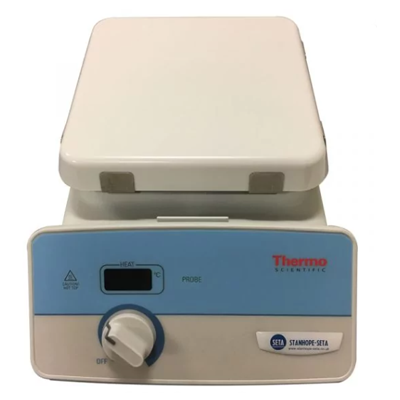
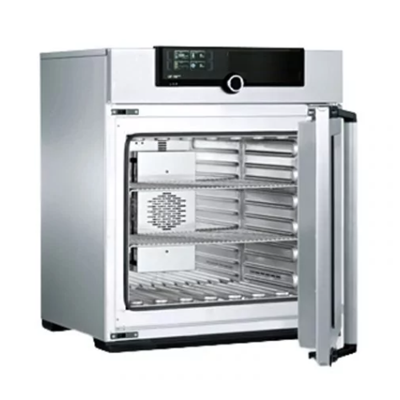
Controlled temperature is essential for many laboratory procedures. Heating equipment such as laboratory ovens, hot plates, heating mantles, furnaces, and water baths provides controlled thermal conditions for different applications. Temperature control equipment is commonly used for drying, incubation, sample preparation, evaporation, reaction support, and material testing. Stable temperature performance helps technicians maintain consistent experimental conditions. Modern laboratory heating systems may include digital controls, temperature displays, insulated chambers, and safety features designed for dependable operation. Equipment selection should consider the required temperature range, chamber capacity, sample type, and operating environment. Durable heating components and reliable temperature sensors can improve long term performance. Proper maintenance and calibration are also important for maintaining temperature accuracy.
Laboratory Mixing and Stirring Equipment
Mixing and stirring equipment helps laboratory personnel prepare homogeneous solutions and suspensions. Magnetic stirrers, overhead stirrers, laboratory shakers, and mixers are commonly used in chemical, pharmaceutical, food, environmental, and research laboratories. Proper mixing improves sample consistency and supports reliable reactions or analytical procedures. Different samples may require different mixing speeds and methods, so equipment should be selected according to viscosity, volume, and application requirements. Durable motors and stable control systems can provide dependable operation during routine laboratory work. Some applications may also require controlled heating during stirring. A well designed laboratory mixer should be easy to operate, clean, and maintain. Reliable mixing equipment contributes to efficient sample preparation and consistent laboratory results.
Laboratory Weighing and Measurement Equipment
Accurate measurement is fundamental to laboratory work. Laboratory balances and precision weighing instruments are used to measure samples, chemicals, powders, and other materials before testing or formulation. Depending on the application, laboratories may require different levels of weighing sensitivity and capacity. Instruments should provide stable readings and be placed on suitable surfaces away from vibration, airflow, and other environmental disturbances. Measurement equipment may also include pH meters, conductivity meters, thermometers, moisture meters, and other analytical instruments. Regular calibration helps maintain measurement reliability. Durable construction and user friendly displays can further improve laboratory productivity. Choosing suitable measurement equipment allows technicians to work with greater confidence and supports repeatable testing procedures.
Centrifuge Equipment for Laboratory Applications
Laboratory centrifuges use controlled rotational force to separate components within liquid or suspension samples. They are widely used in pharmaceutical, biotechnology, medical, chemical, food, environmental, and research laboratories. Centrifuges can assist with sample preparation, particle separation, sedimentation, and other laboratory processes. A suitable centrifuge should provide stable operation, reliable speed control, and appropriate sample handling options. Safety features such as secure lids and balanced operation are important for laboratory environments. Durable construction helps equipment withstand frequent use. Selecting the right centrifuge depends on sample characteristics, required separation performance, container compatibility, and laboratory workflow. Proper maintenance and regular inspection help ensure dependable operation over time.
Laboratory Water Bath and Incubator Equipment
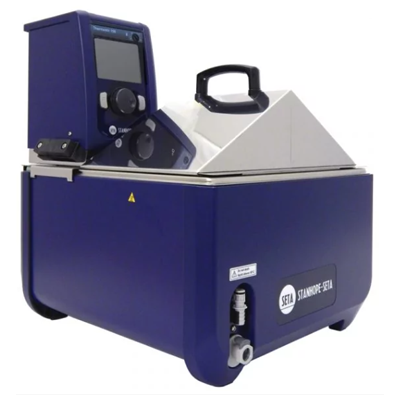
Water baths and incubators provide controlled environments for applications requiring stable temperature conditions. Water baths are commonly used for warming samples, maintaining reaction temperatures, and supporting laboratory procedures where gentle and uniform heating is required. Incubators are often used for controlled growth, biological research, testing, and sample conditioning. Good temperature uniformity is important because uneven conditions can affect experimental outcomes. Laboratory equipment with dependable temperature sensors and control systems helps maintain stable conditions throughout operation. Stainless steel chambers and corrosion resistant construction can improve durability and simplify cleaning. Laboratories should select equipment according to sample requirements, operating temperature, chamber design, and workflow. Routine cleaning and calibration contribute to consistent performance.
Microscopes and Laboratory Observation Equipment
Microscopes provide magnified observation of samples that cannot be examined clearly with the naked eye. They are used in educational, biological, medical, industrial, material, and research laboratories. Optical microscopes can support routine observation, while specialized systems may be selected for more advanced applications. A good laboratory microscope should provide clear imaging, stable focusing, suitable illumination, and comfortable operation. Durable mechanical components are important for frequent laboratory use. Accessories such as objective lenses, camera systems, and specimen holders can expand application possibilities. Proper cleaning and storage protect optical components and help maintain image quality. Selecting a microscope based on the sample type and intended application ensures that laboratory personnel can obtain useful and dependable visual information.
Laboratory Glassware and Essential Accessories
Laboratory glassware and accessories are essential for everyday testing and sample handling. Beakers, flasks, test tubes, measuring cylinders, pipettes, funnels, bottles, and other laboratory items support preparation, measurement, storage, and transfer of samples. Borosilicate glass is widely used for many laboratory applications because of its resistance to thermal shock and chemical exposure. Proper selection of glassware improves safety and testing efficiency. Accessories such as clamps, stands, racks, spatulas, forceps, and sample containers also contribute to an organized laboratory environment. Glassware should be inspected regularly for cracks, chips, or other damage. Proper cleaning and storage are important for preventing contamination and maintaining reliable laboratory procedures.
Laboratory Filtration and Separation Equipment
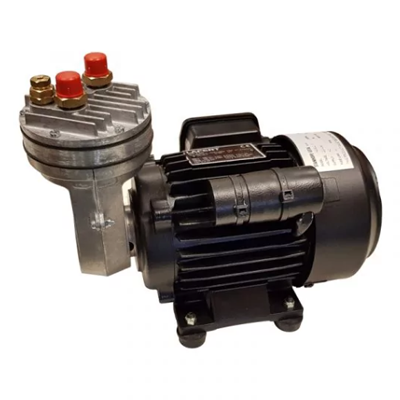
Filtration and separation processes are common in chemical, environmental, pharmaceutical, food, and industrial laboratories. Laboratory filtration equipment helps remove suspended particles or separate components from mixtures. Vacuum filtration systems can improve filtration efficiency for suitable applications, while filter holders and funnels provide practical sample handling. Centrifuges may also be used when mechanical separation is required. The appropriate equipment depends on sample composition, particle characteristics, viscosity, and desired separation performance. Durable materials are important when equipment comes into contact with chemicals or aggressive samples. Reliable separation equipment helps laboratories improve sample preparation and obtain cleaner materials for further testing. Proper cleaning and maintenance also reduce contamination risks.
Laboratory Safety Equipment
Safety equipment is an essential part of every professional laboratory. Laboratory environments may involve chemicals, heat, glassware, electrical equipment, biological materials, and other potential hazards. Safety solutions can include fume extraction systems, eyewash stations, safety cabinets, protective equipment, spill control materials, and suitable ventilation systems. Equipment should be selected according to the laboratory's activities and risk profile. Proper safety procedures should always be followed alongside the use of protective equipment. Laboratory instruments should also include suitable electrical and operational safety features where required. A well planned safety system protects personnel, equipment, and samples while supporting a more controlled working environment.
Laboratory Equipment for Pharmaceutical Applications
Pharmaceutical laboratories require dependable equipment for research, formulation, quality control, and production support. General laboratory instruments such as balances, mixers, ovens, water baths, pH meters, centrifuges, and microscopes can support a wide range of pharmaceutical procedures. Accurate measurement and controlled environmental conditions are particularly important when working with formulations and active ingredients. Equipment should be constructed from suitable materials and designed for convenient cleaning to reduce contamination risks. Reliable instruments also support consistent batch evaluation and laboratory documentation. Pharmaceutical laboratories should select equipment based on their testing procedures, sample characteristics, regulatory requirements, and workflow. Proper calibration and preventive maintenance are important for maintaining dependable performance.
General Laboratory Equipment for Food and Chemical Testing
Food and chemical laboratories use general laboratory equipment for sample preparation, analysis, quality control, and research. Food laboratories may evaluate moisture, acidity, composition, contamination, and other product characteristics. Chemical laboratories may work with solutions, reagents, raw materials, and industrial samples. Equipment such as balances, ovens, stirrers, water baths, centrifuges, meters, and filtration systems supports these activities. Reliable instruments help technicians maintain consistent procedures and obtain useful test data. Equipment should be compatible with the samples and chemicals used in the laboratory. Corrosion resistant materials, easy cleaning, and dependable controls can improve service life. Proper instrument selection helps laboratories achieve efficient workflows and maintain quality standards.
Choosing General Laboratory Equipment in Bangladesh
Choosing suitable General Laboratory Equipment in Bangladesh requires careful consideration of laboratory objectives, testing procedures, sample types, operating conditions, and available workspace. Equipment should match the actual requirements of the laboratory rather than being selected only by appearance or basic specifications. Durability, ease of operation, measurement reliability, safety features, maintenance requirements, and availability of technical support should all be considered. Laboratories should also evaluate whether spare parts, calibration services, installation assistance, and user training are available locally. Working with an experienced laboratory equipment supplier can simplify equipment selection and provide valuable technical guidance. A well planned purchase improves laboratory efficiency and helps organizations build a dependable testing environment.
Calibration, Maintenance, and Technical Support
Regular calibration and maintenance are essential for maintaining laboratory equipment performance. Instruments used for measurement, temperature control, weighing, and analytical procedures should be checked according to laboratory procedures and manufacturer recommendations. Cleaning should be performed regularly to prevent contamination and protect sample contact surfaces. Moving parts, electrical connections, heating systems, sensors, and control interfaces should also be inspected when appropriate. Preventive maintenance can reduce unexpected equipment problems and extend service life. Technical support is valuable when laboratories require troubleshooting, calibration, installation, or replacement components. Reliable support from an experienced supplier helps laboratory personnel keep equipment operational and maintain consistent testing performance.
Reliable Laboratory Solutions for Bangladesh
Reliable General Laboratory Equipment in Bangladesh supports laboratories across scientific research, education, healthcare, pharmaceuticals, food processing, chemical manufacturing, environmental testing, and industrial quality control. The right combination of instruments can improve sample preparation, measurement, testing accuracy, safety, and workflow efficiency. Quality equipment should combine dependable performance with durable construction and practical operation. Laboratories can achieve better long term value by selecting instruments that match their applications and by maintaining them properly. Professional supplier support can further simplify installation, training, calibration, and after sales service. With suitable laboratory equipment and proper operating practices, organizations can establish a productive testing environment capable of supporting consistent research and quality control activities.