
Air Entrainment – Mortar
Air Entrainment in mortar is an important property that improves the workability, durability, and resistance of cement-based construction materials. It refers to the intentional incorporation of microscopic air bubbles into fresh mortar using air-entraining agents. These tiny, evenly distributed air voids enhance performance during application and long-term service conditions.
Air entrained mortar is widely used in masonry work, plastering, rendering, and repair applications where improved consistency, freeze-thaw durability, and reduced water demand are required.
What is Air Entrainment in Mortar?
Air entrainment is the process of introducing controlled amounts of microscopic air bubbles into mortar mixtures through specialized admixtures. These bubbles remain stable throughout mixing and placement and create small pressure relief chambers inside the hardened mortar.
Unlike accidental trapped air, entrained air is intentionally generated and uniformly distributed to provide measurable performance benefits.
Typical air content in mortar generally ranges between 5% to 20%, depending on application requirements and standards.
Purpose of Air Entrainment Testing in Mortar
Air entrainment testing is performed to determine the percentage of entrained air present in mortar and to ensure quality control during production and construction.
The primary objectives include:
- Improve mortar workability and consistency
- Increase resistance to freeze-thaw cycles
- Reduce bleeding and segregation
- Enhance bonding characteristics
- Improve durability and service life
- Lower water demand without reducing performance
- Ensure compliance with construction specifications
Importance of Air Entrainment in Construction
Mortar quality directly affects the strength and lifespan of masonry structures. Proper air entrainment helps maintain uniformity and reduces construction defects.
Enhanced Workability
Entrained air acts as microscopic ball bearings that improve flow characteristics, making mortar easier to spread and finish.
Better Freeze-Thaw Resistance
In cold climates, water inside hardened mortar expands during freezing. Air voids provide space for expansion and reduce cracking.
Reduced Water Requirement
Air entrainment can improve consistency while requiring less mixing water.
Improved Durability
Controlled air content increases resistance against environmental deterioration and extends service life.
Air Entrainment Test Procedure for Mortar
The testing procedure generally involves:
Sample Preparation
Fresh mortar is prepared according to applicable standards and mixed uniformly.
Filling the Test Container
Mortar is placed into a calibrated testing chamber and compacted carefully.
Measurement Process
Specialized equipment measures entrained air content through pressure or volumetric methods.
Result Evaluation
Measured values are compared against project specifications and standard limits.
Equipment Used for Air Entrainment Testing
Common equipment includes:
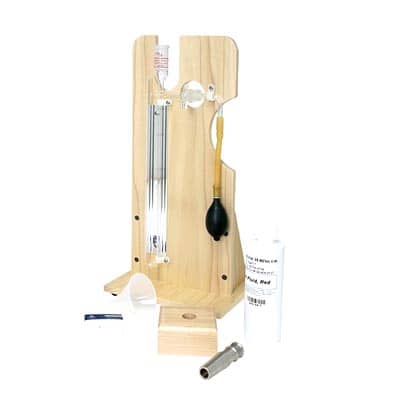
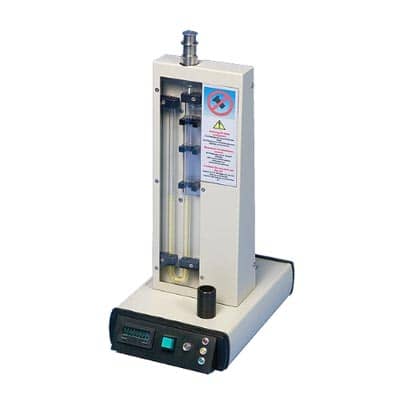
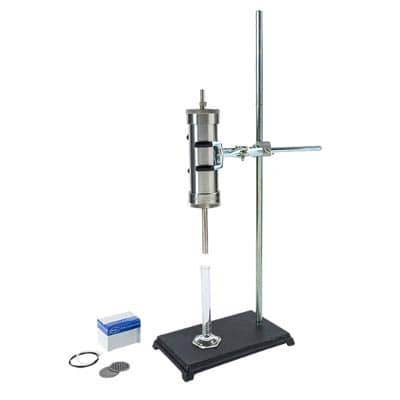
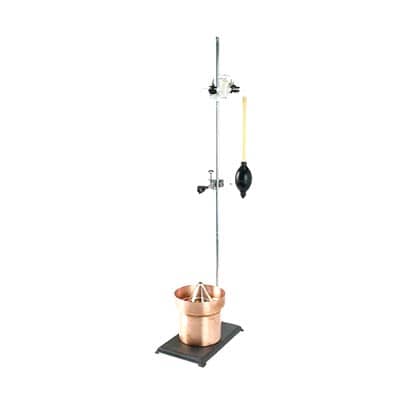
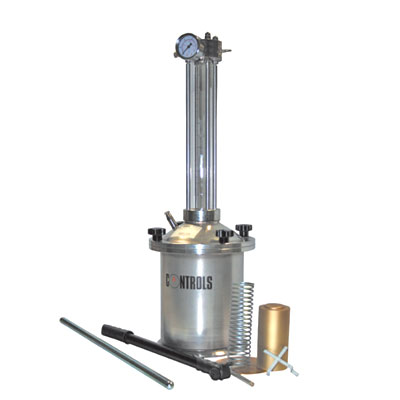
- Air Entrainment Meter
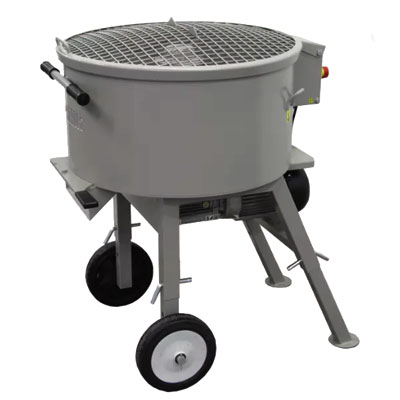
- Mortar Mixing Equipment
- Measuring Containers
- Calibration Devices
- Compaction Tools
- Pressure Testing Apparatus
Factors Affecting Air Entrainment in Mortar
Several variables influence final air content:
- Type of cement
- Sand grading and particle shape
- Mixing time and speed
- Water-cement ratio
- Admixture dosage
- Ambient temperature
- Construction practices
Proper monitoring ensures consistent mortar performance.
Applications of Air Entrained Mortar
Air entrained mortar is commonly used in:
- Brick masonry construction
- Block laying applications
- Plastering and rendering
- Repair and rehabilitation projects
- Industrial flooring systems
- Infrastructure construction
- Residential and commercial buildings
Benefits of Professional Air Entrainment Testing
Professional testing provides:
- Accurate quality control
- Improved construction reliability
- Reduced maintenance costs
- Compliance with industry standards
- Consistent project performance