
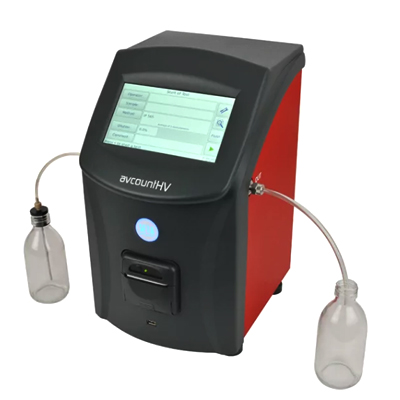
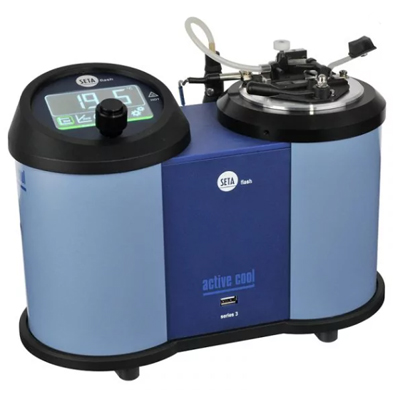
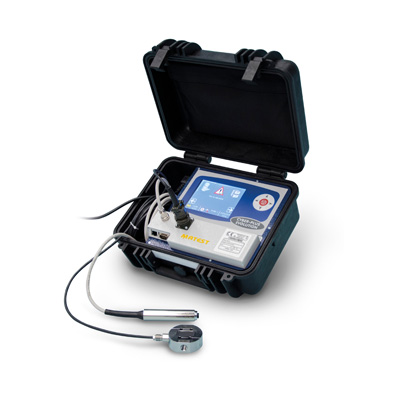
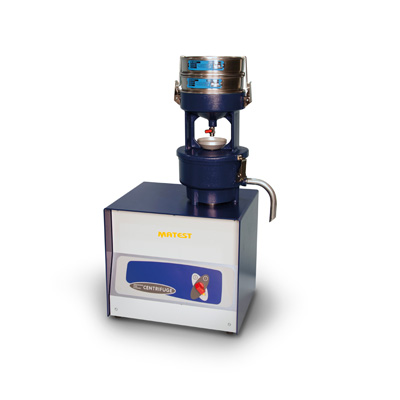
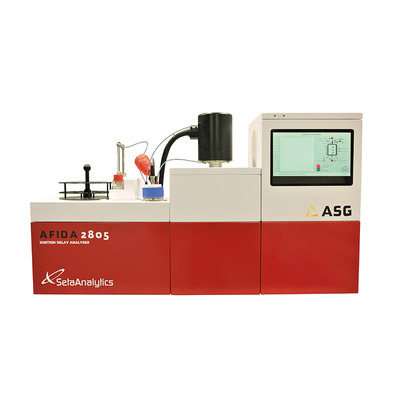
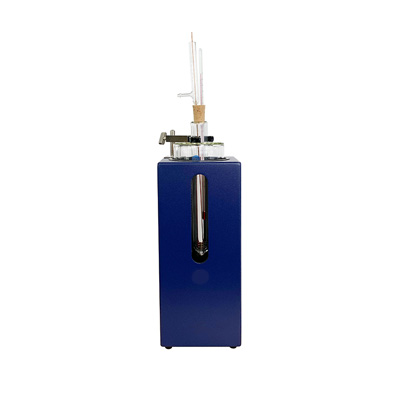
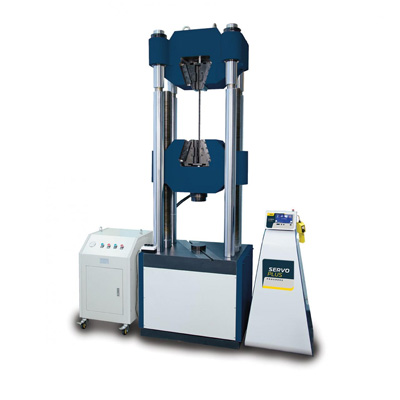
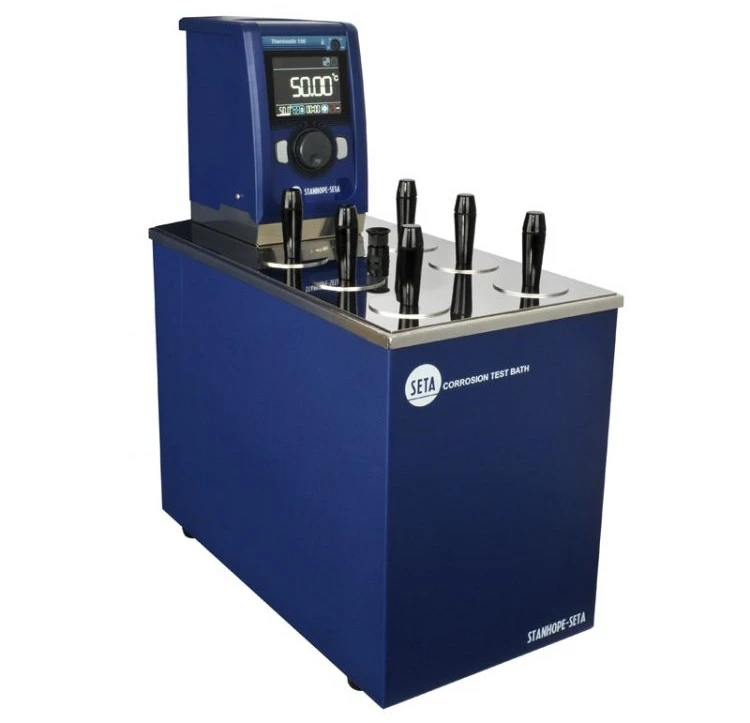
Petroleum Products Testing Laboratory Equipment in Bangladesh
Petroleum testing plays a vital role in maintaining the quality, safety, reliability, and performance of fuels, lubricants, and other petroleum-based products. Reliable Petroleum Products Testing Laboratory Equipment in Bangladesh enables laboratories to evaluate important physical, chemical, and thermal properties under controlled testing conditions.
QC LAB SOLUTION provides laboratory equipment solutions for petroleum testing, fuel quality assessment, lubricant analysis, industrial quality control, and research applications. Our solutions are intended for engineering laboratories, petroleum companies, fuel suppliers, power plants, industrial facilities, research organizations, and educational institutions.
Selecting appropriate petroleum testing instruments helps laboratories establish consistent testing procedures, evaluate product characteristics, identify potential contamination, and support informed technical decisions. A properly equipped laboratory can improve testing efficiency and contribute to quality assurance across the petroleum supply chain.
Importance of Petroleum Testing Laboratory Equipment
Petroleum products require appropriate quality evaluation throughout production, transportation, storage, distribution, and use. Laboratory testing helps determine whether fuels and oils meet relevant technical specifications and remain suitable for their intended applications.
Professional petroleum testing equipment supports repeatable measurements and helps trained laboratory personnel investigate variations in product characteristics. These tests can provide useful information about fuel performance, lubricant condition, storage-related changes, and potential contamination.
In Bangladesh, petroleum testing supports industries such as power generation, transportation, manufacturing, marine operations, agriculture, and energy distribution. Suitable laboratory instruments help organizations improve quality-control procedures and maintain reliable testing practices.
Fuel Quality Testing Equipment
Fuel testing instruments are used to evaluate the characteristics of diesel, gasoline, kerosene, furnace oil, aviation fuel, and other petroleum products. Depending on the required test methods, a fuel testing laboratory may use equipment for density, viscosity, flash point, distillation characteristics, water content, and corrosion-related testing.
Selecting suitable fuel testing equipment requires consideration of the sample type, applicable standards, required measurement range, and laboratory workload. Proper sampling, calibration, temperature control, and trained operation are also important for obtaining dependable results.
QC LAB SOLUTION supports laboratory equipment selection for fuel quality control and industrial testing applications in Bangladesh.
Petroleum Oil and Lubricant Testing Instruments
Petroleum oil testing helps evaluate lubricating oils, hydraulic fluids, industrial oils, and other petroleum-based products. Depending on the application, laboratories may require viscosity measuring instruments, flash point testers, moisture analysis equipment, density measurement systems, and corrosion testing apparatus.
These instruments can support lubricant quality evaluation, preventive maintenance, equipment reliability programs, and industrial research. Regular oil testing may help identify changes in material properties and provide useful information for maintenance planning.
The appropriate instrument configuration depends on the type of oil, testing objectives, applicable methods, and required measurement performance.
Flash Point Testing Equipment
Flash point testing is important for evaluating the flammability characteristics of many petroleum products. Flash point testers provide controlled testing conditions for determining the flash point of suitable samples using specified procedures.
These instruments are commonly relevant to fuel laboratories, lubricant testing facilities, petroleum quality-control departments, and industrial research organizations.
When selecting flash point testing equipment, laboratories should consider the applicable test method, sample characteristics, temperature range, safety provisions, and maintenance requirements. Correct operation and suitable laboratory safety procedures are essential.
Viscosity Testing Equipment
Viscosity is an important property of fuels and lubricating oils because it influences fluid flow, lubrication, pumping, and equipment performance. Viscosity testing instruments help laboratories evaluate the flow characteristics of petroleum products under specified conditions.
Accurate viscosity measurement requires an appropriate testing method and controlled temperature conditions. The selection of an instrument depends on the sample type, expected viscosity range, measurement requirements, and applicable standards.
Viscosity testing can support product quality assurance, lubricant evaluation, industrial maintenance, and petroleum research.
Density and Specific Gravity Testing Instruments
Density and specific gravity measurements provide useful information about the characteristics of liquid petroleum products. These measurements can support product identification, quality control, sample comparison, and inventory-related assessments.
Petroleum laboratories may use suitable density meters, hydrometers, or other measurement systems depending on the required method and accuracy.
Reliable results depend on appropriate sampling, temperature control, instrument condition, and correct testing procedures. QC LAB SOLUTION can assist customers in identifying suitable laboratory measurement instruments for their testing requirements.
Petroleum Distillation Testing Equipment
Distillation testing evaluates the boiling and evaporation characteristics of petroleum products. These properties are relevant to fuel characterization, quality assessment, and comparison against applicable product specifications.
Distillation testing equipment typically incorporates controlled heating, temperature measurement, and suitable sample collection arrangements. Safe sample handling and adherence