



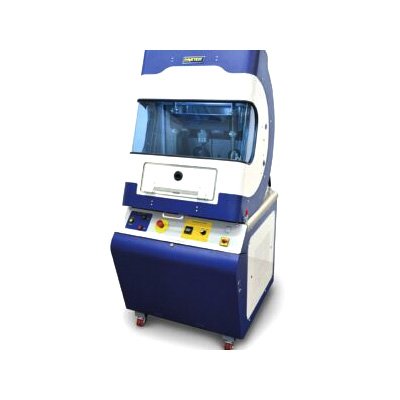
Hardened Concrete Testing Equipment in Bangladesh
Hardened concrete testing equipment provides engineers and laboratory professionals with reliable solutions for evaluating concrete after curing, making Hardened Concrete Testing Equipment in Bangladesh an important requirement for construction laboratories, contractors, consultants, manufacturers, and research organizations. Hardened concrete testing helps determine the mechanical and physical performance of concrete used in buildings, bridges, roads, industrial structures, and infrastructure projects. Suitable testing equipment supports controlled specimen preparation, loading, measurement, and evaluation. Durable construction, stable operation, measurement reliability, and compatibility with recognized testing procedures are important considerations when selecting equipment for professional concrete laboratories.
Importance of Hardened Concrete Testing
Hardened concrete testing is essential for understanding the actual performance of concrete after it has developed its required structural properties. Testing can provide useful information about strength, deformation, durability, surface characteristics, and other engineering properties. Laboratory and field testing help engineers assess whether concrete performs according to project requirements. Reliable testing equipment provides a controlled environment for evaluating specimens and collecting useful engineering data. Proper testing procedures also support quality assurance during construction. By using suitable equipment and following established testing methods, laboratories can maintain consistent evaluation practices and provide valuable information for construction quality control.
Concrete Strength Testing Equipment
Strength testing is one of the most important applications of hardened concrete testing equipment. Concrete specimens can be evaluated under controlled loading to determine their response to applied forces. Testing equipment should provide a rigid frame, stable specimen positioning, controlled load application, and suitable measurement arrangements. The machine must remain mechanically stable throughout the testing process. Proper specimen preparation and curing are also essential because variations in specimen condition can affect test results. Engineers should follow the applicable testing procedure and equipment manufacturer's recommendations. Reliable strength testing supports material verification, quality control, structural assessment, and research activities.
Compressive Strength Evaluation
Compressive strength evaluation provides important information about the ability of hardened concrete to withstand compressive loading. A suitable testing machine applies controlled force to a prepared concrete specimen while the response is observed. The testing frame should provide sufficient rigidity and stable alignment during operation. Proper specimen preparation is necessary to ensure that the applied load is distributed appropriately. Laboratory personnel should also maintain suitable testing conditions and follow the relevant procedure. Reliable compressive strength equipment is widely used by construction material laboratories, concrete producers, engineering consultants, universities, and research organizations. Properly conducted testing can support informed engineering decisions regarding concrete quality and structural performance.
Flexural Strength Testing
Flexural testing helps engineers evaluate how hardened concrete behaves when subjected to bending forces. This information can be useful for applications where concrete is exposed to bending or tensile effects. Suitable testing equipment provides an appropriate support and loading arrangement for the specimen. Stable positioning is essential because incorrect alignment can influence the test response. The equipment should provide controlled loading and reliable measurement throughout the procedure. Flexural testing can support pavement evaluation, structural concrete studies, material development, and quality control. Engineers should interpret test results in relation to the concrete mix, specimen preparation, curing condition, and specific project requirements.
Tensile and Indirect Testing Applications
Tensile behavior is another important aspect of hardened concrete performance. Because concrete generally performs differently under tensile and compressive loading, engineers may use suitable indirect or direct testing methods to evaluate tensile characteristics. Specialized testing equipment can provide controlled loading and specimen support for these procedures. Proper alignment and consistent specimen preparation are important for reliable observations. Testing results can help engineers understand cracking behavior and material response under tensile effects. Such information can be valuable when evaluating structural concrete, pavement materials, repair materials, and specialized concrete mixtures. Equipment should be selected according to the required testing method and applicable laboratory standards.
Non Destructive Testing of Hardened Concrete
Non destructive testing provides methods for evaluating hardened concrete without causing significant damage to the tested structure. Depending on the application, specialized instruments can help engineers investigate surface hardness, internal conditions, uniformity, or other characteristics. These techniques can support condition assessment and quality control in existing structures. Non destructive equipment is particularly useful when engineers need to evaluate concrete in buildings, bridges, industrial structures, and infrastructure without removing large specimens. Results should be interpreted by qualified professionals and considered together with visual inspection, structural information, and other testing methods. Suitable equipment can make concrete condition assessment more efficient and practical.
Concrete Surface and Durability Evaluation
Hardened concrete testing can also involve the evaluation of surface characteristics and durability related properties. Engineers may need to investigate permeability, surface condition, abrasion resistance, moisture behavior, or other characteristics depending on the project. Specialized laboratory equipment can support these investigations under controlled conditions. Proper sample preparation and test procedures are important because surface condition and curing history can influence the observed performance. Durability testing can help engineers understand how concrete may respond to environmental exposure and service conditions. Reliable equipment supports consistent laboratory procedures and provides useful information for material selection and construction quality management.
Durable Construction of Testing Equipment
Durability is an important consideration when selecting hardened concrete testing equipment for professional laboratories. Testing machines may be exposed to repeated mechanical loading, concrete dust, moisture, vibration, and frequent specimen handling. Robust frames and properly manufactured components can provide long term mechanical stability. Fixtures, supports, loading components, and measurement systems should be designed for regular laboratory use. Good surface finishing can help protect equipment from normal environmental exposure. Regular cleaning and maintenance can further extend service life. Laboratories that perform frequent testing should consider equipment construction quality carefully to minimize interruptions and maintain reliable testing operations.
Precision and Measurement Reliability
Reliable measurement is essential for meaningful hardened concrete testing. Testing equipment should provide stable loading, secure specimen positioning, and suitable measurement arrangements. Mechanical alignment should be maintained throughout the test to minimize unwanted effects. Measurement devices should be maintained and checked according to applicable laboratory procedures. Operators should also follow the manufacturer's instructions and established testing methods. Regular inspection can help identify worn components, loose fittings, or alignment problems before they affect testing. Combining suitable equipment with trained personnel and controlled laboratory procedures helps improve consistency and confidence in test results.
Selection of Hardened Concrete Testing Equipment
Selecting appropriate equipment requires an understanding of the laboratory's testing requirements. Engineers should consider the types of concrete specimens, testing methods, measurement needs, testing frequency, available laboratory space, and existing equipment. Compatibility is particularly important when adding new instruments to an established testing system. Buyers should also evaluate mechanical construction, ease of operation, maintenance requirements, technical documentation, and after sales support. A professional supplier can help identify suitable equipment based on the laboratory's intended applications. Careful selection reduces compatibility issues and helps laboratories establish a reliable and efficient concrete testing environment.
Applications in Construction Quality Control
Hardened concrete testing equipment is widely useful for construction quality control. Contractors, concrete producers, consultants, and independent laboratories can use testing equipment to evaluate concrete performance and verify material quality. Testing may support concrete mix development, production control, project verification, structural assessment, and research. Regular laboratory evaluation can help identify changes in material behavior and support corrective action when necessary. Proper documentation of test procedures and results can also strengthen quality management practices. Reliable equipment provides a foundation for organized testing and helps engineers make informed decisions based on measured material performance.
Use in Bangladesh Construction Projects
Construction and infrastructure development in Bangladesh creates a strong need for dependable concrete testing capabilities. Laboratories supporting buildings, roads, bridges, industrial facilities, drainage systems, and other infrastructure require suitable equipment for evaluating hardened concrete. Local testing facilities can use these systems for quality control, material research, project verification, and structural investigation. Buyers should consider local laboratory conditions, equipment compatibility, technical support, maintenance requirements, and availability of replacement components. Selecting equipment according to actual testing requirements can help laboratories improve their testing capabilities and provide more dependable engineering services.
Ease of Operation and Laboratory Workflow
Practical operation is important for laboratories that perform regular hardened concrete testing. Equipment should allow technicians to position specimens securely and perform testing without unnecessary complexity. Accessible controls, clear measurement arrangements, stable fixtures, and straightforward maintenance can improve laboratory workflow. Proper operator training is also necessary for specialized testing procedures. Laboratories should maintain clear operating instructions and inspection routines to support consistent equipment use. A well designed testing system can help technicians organize specimen handling, testing, cleaning, and documentation efficiently. Good workflow management contributes to both productivity and testing reliability.
Maintenance of Hardened Concrete Testing Equipment
Regular maintenance helps preserve the performance and service life of concrete testing equipment. Frames, loading systems, fixtures, supports, and measurement components should be inspected for wear, corrosion, loose connections, and mechanical damage. Concrete residue and dust should be cleaned after testing to prevent buildup around moving or sensitive components. Moving parts should be maintained according to manufacturer recommendations. Measurement systems should also receive appropriate inspection and calibration where required. Damaged or worn components should be evaluated before continued operation. Maintaining service records helps laboratories plan maintenance activities and identify recurring problems before they cause significant disruption.
Supplier Support and Equipment Procurement
Supplier support can be an important factor when purchasing specialized hardened concrete testing equipment. A reliable supplier should provide clear technical information and explain the intended use of each system. Technical assistance may be useful during equipment selection, installation, commissioning, operator training, and maintenance. Buyers should confirm compatibility with existing laboratory equipment before procurement. Availability of replacement parts and service support can contribute to long term equipment usability. For organizations in Bangladesh, working with a supplier experienced in civil engineering laboratory equipment can make procurement and technical support more convenient. Proper equipment documentation should also be maintained for laboratory management and quality assurance.
Hardened Concrete Testing Equipment in Bangladesh
The Hardened Concrete Testing Equipment in Bangladesh market includes testing solutions for evaluating concrete strength, structural response, surface condition, durability, and other important engineering properties. Equipment selection should focus on the laboratory's testing requirements, mechanical stability, measurement reliability, durability, compatibility, ease of operation, and technical support. Buyers should assess the complete application rather than selecting equipment based only on basic specifications. Consulting an experienced supplier can help engineers identify suitable testing machines and accessories for their laboratory needs. Proper selection can support long term testing performance and improve the overall efficiency of concrete quality control activities.
Reliable Solutions for Concrete Testing
Hardened concrete testing equipment plays an important role in modern construction material evaluation and quality assurance. Suitable equipment allows engineers to assess concrete performance through controlled laboratory and field testing procedures. Durable construction, stable operation, reliable measurement, proper specimen handling, and straightforward maintenance are valuable characteristics for professional applications. Organizations looking for Hardened Concrete Testing Equipment in Bangladesh should consider their testing procedures, laboratory workflow, equipment compatibility, maintenance requirements, and technical support. With suitable equipment and proper engineering practices, laboratories can strengthen concrete quality assessment and provide dependable information for construction, infrastructure, research, and structural evaluation.