




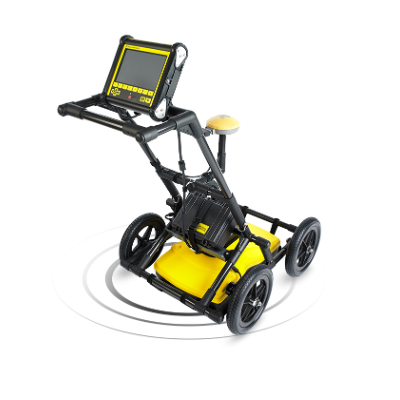
Structural NDT Testing in Bangladesh – Advanced Non-Destructive Testing Services
Structural NDT (Non-Destructive Testing) is an advanced inspection and quality evaluation method used to assess the strength, integrity, durability, and safety of structures without causing any damage. In Bangladesh, Structural NDT Testing has become increasingly important for bridges, buildings, industrial facilities, highways, ports, and infrastructure projects to ensure compliance with engineering standards and long-term performance.
At QC LAB SOLUTION Bangladesh, Structural NDT Testing services support construction quality control, structural assessment, rehabilitation planning, and preventive maintenance using modern testing technologies.
What is Structural NDT Testing?
Structural Non-Destructive Testing (NDT) is a process of evaluating structural components without cutting, breaking, or damaging the material. These methods help engineers determine internal defects, material strength, reinforcement conditions, concrete quality, and structural health.
Structural NDT provides reliable data for:
- Structural integrity assessment
- Building condition surveys
- Bridge inspection
- Infrastructure monitoring
- Repair and rehabilitation planning
- Construction quality verification
- Safety compliance
Importance of Structural NDT Testing
Structural failures can lead to major financial losses and safety risks. NDT inspection allows early detection of problems before visible damage occurs.
Key Benefits:
- No structural damage during testing
- Fast and cost-effective evaluation
- Improved safety and reliability
- Accurate condition assessment
- Reduced maintenance costs
- Supports asset lifecycle management
- Extends infrastructure service life
Structural NDT Testing Methods
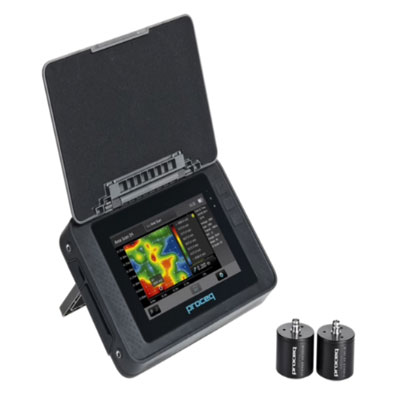
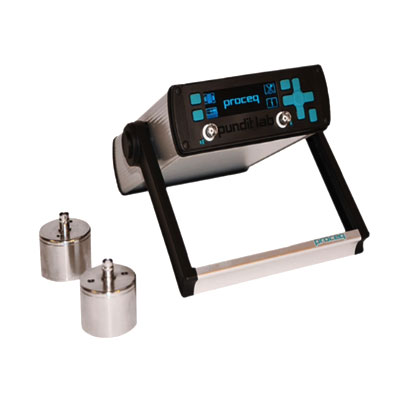
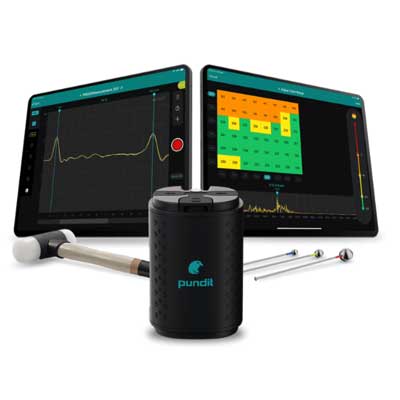
1. Ultrasonic Pulse Velocity (UPV) Test
UPV measures ultrasonic wave transmission through concrete to determine:
- Concrete uniformity
- Crack detection
- Internal void identification
- Concrete quality evaluation
Applications:
- Buildings
- Bridges
- Concrete structures
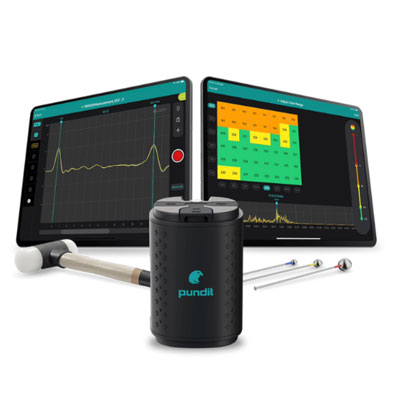
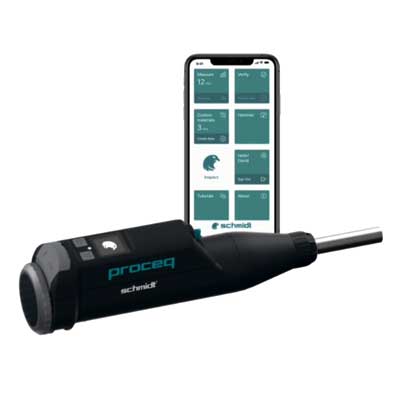
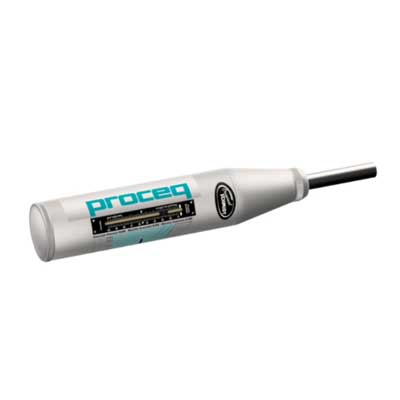
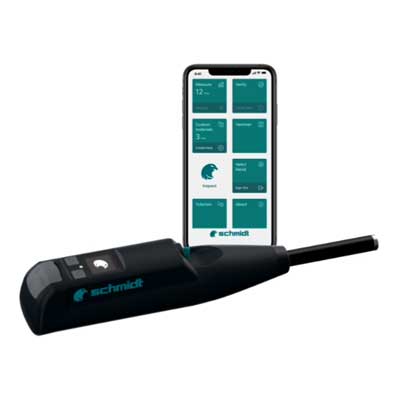
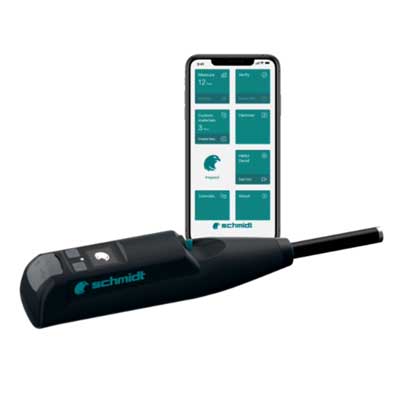
2. Rebound Hammer Test
A quick method used to estimate:
- Surface hardness
- Relative compressive strength
- Concrete consistency
Applications:
- Existing structures
- Quality assurance inspections
3. Half Cell Potential Test
Used to evaluate:
- Corrosion probability of reinforcement steel
- Concrete durability condition
Applications:
- RCC structures
- Marine infrastructure
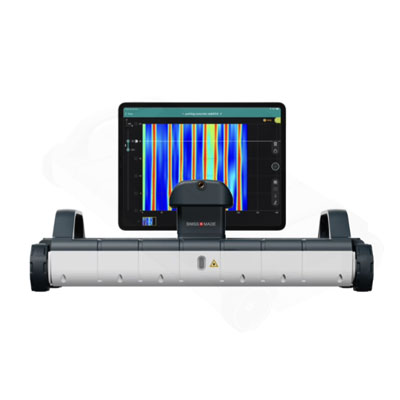
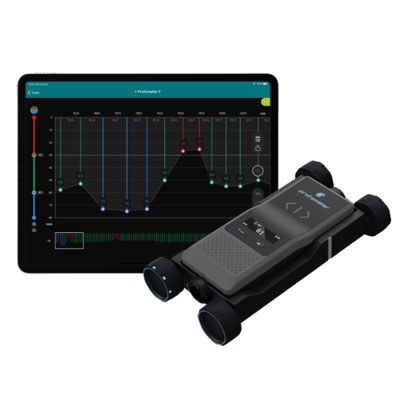
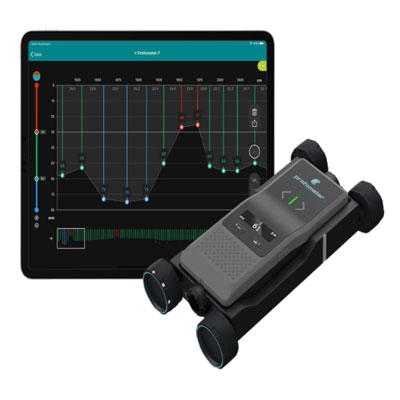
4. Cover Meter Survey
This test identifies:
- Rebar location
- Concrete cover thickness
- Reinforcement layout
Applications:
- Structural audits
- Renovation projects
5. Core Cutting & Compressive Strength Assessment
Semi-destructive testing for:
- Concrete compressive strength verification
- Material quality confirmation
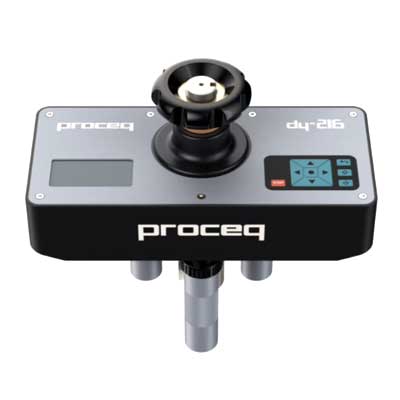
6. Pull-Out Test
Measures:
- Concrete bond strength
- Structural performance
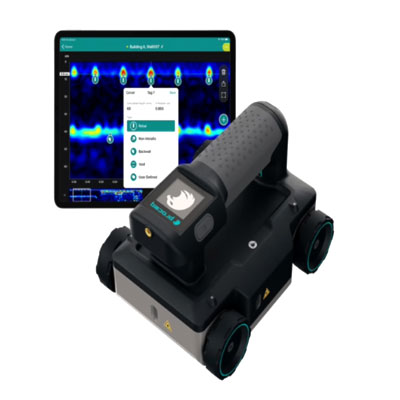
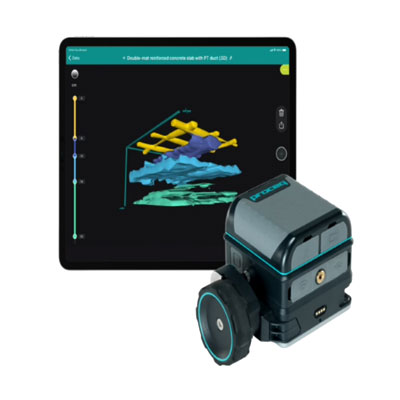
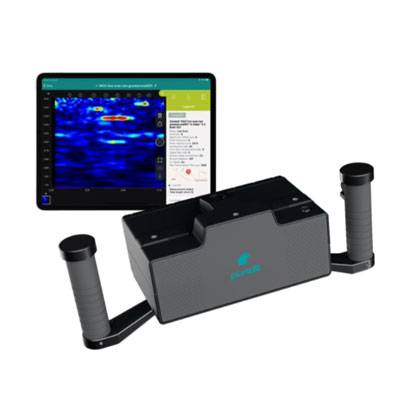
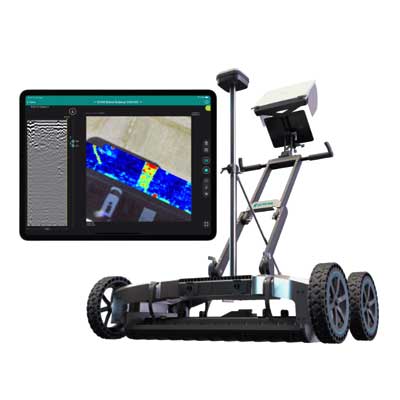
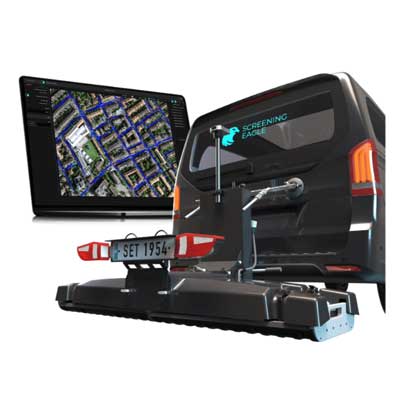
7. Ground Penetrating Radar (GPR)
Advanced scanning technology for:
- Internal reinforcement mapping
- Utility detection
- Structural investigation
Applications:
- High-rise buildings
- Bridges
- Pavements
Structural NDT Applications
Structural NDT Testing is widely used in:
- Commercial Buildings
- Industrial Facilities
- Bridges
- Roads & Highways
- Airports
- Dams
- Power Plants
- Ports & Marine Structures
- Residential Projects
Why Choose QC LAB SOLUTION Bangladesh?
QC LAB SOLUTION provides professional Structural NDT services using modern equipment and experienced engineers.
Our Services Include:
- Structural Health Assessment
- Bridge Inspection
- Concrete Strength Testing
- Rebar Detection
- Corrosion Evaluation
- Infrastructure Monitoring
- Technical Reporting
- Engineering Consultation
We focus on delivering accurate, reliable, and standards-compliant testing solutions across Bangladesh.