
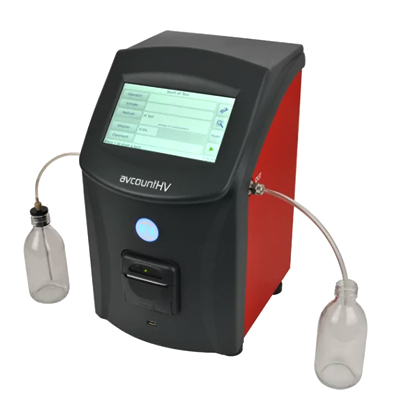
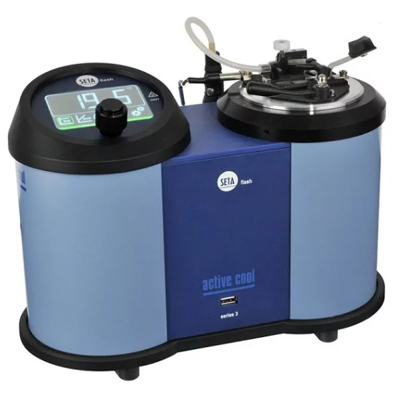
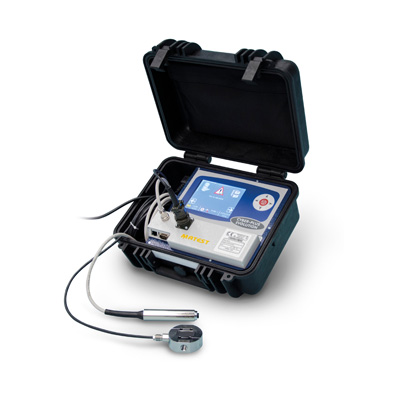
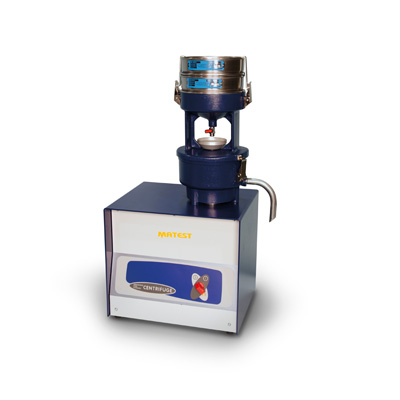
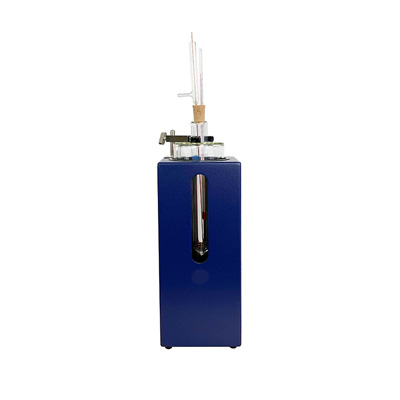
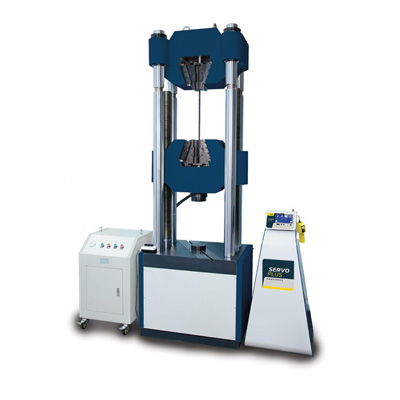
Petroleum Products Testing Laboratory Equipment in Bangladesh
Petroleum testing plays an important role in maintaining the quality, safety, reliability, and performance of fuels and petroleum-based materials used across different industries. Modern Petroleum Products Testing Laboratory Equipment in Bangladesh helps laboratories examine fuel, oil, lubricants, and other petroleum products under controlled testing conditions. These instruments are designed to support accurate laboratory analysis and consistent quality evaluation. For engineering laboratories, fuel suppliers, petroleum companies, power plants, research organizations, and industrial facilities, dependable testing equipment is essential for making informed technical decisions. Proper laboratory instruments help identify variations in product characteristics and provide useful information for quality assurance. Selecting suitable petroleum testing equipment also improves laboratory efficiency and supports professional testing practices. A reliable testing setup can include instruments for physical, chemical, thermal, and performance-related properties of petroleum products.
Importance of Petroleum Testing Laboratory Equipment
Petroleum products must maintain suitable characteristics throughout production, transportation, storage, distribution, and application. Laboratory testing provides valuable information about the condition and performance of these materials. Petroleum testing laboratory equipment allows trained technicians and engineers to examine important properties under controlled conditions. Accurate analysis can help identify contamination, degradation, unsuitable composition, or changes caused by storage and handling. This information is particularly important where fuel quality can influence machinery performance, energy efficiency, emissions, and operational reliability. Professional laboratory equipment also helps organizations establish repeatable testing procedures. Consistent testing makes it easier to compare samples from different batches or sources. In Bangladesh, where petroleum products support transportation, manufacturing, power generation, construction, agriculture, and many other sectors, dependable laboratory testing has practical value. A properly equipped laboratory can support routine inspection as well as specialized technical investigations.
Fuel Quality Testing Equipment for Bangladesh Laboratories
Fuel quality testing requires suitable instruments capable of examining the characteristics that influence fuel performance and handling. Diesel, gasoline, kerosene, furnace oil, aviation fuel, and other petroleum products may require different testing procedures. Fuel testing equipment can help laboratories evaluate properties such as density, viscosity, flash characteristics, distillation behavior, water content, corrosion tendency, and other relevant parameters. The selection of equipment should be based on the required testing method and the type of petroleum sample being examined. Professional instruments are designed to provide controlled test conditions and reliable measurements when operated correctly. For laboratories serving fuel distributors and industrial users, dependable equipment can support incoming material inspection and routine quality monitoring. Proper testing can also help organizations identify abnormal samples before they create operational problems. A well-planned fuel testing laboratory should therefore combine appropriate instruments with trained personnel, proper sampling procedures, calibration practices, and suitable environmental conditions.
Petroleum Oil Testing Instruments and Their Applications
Oil testing involves the examination of lubricating oils, industrial oils, transformer-related oils, hydraulic fluids, and other petroleum-based materials. Petroleum oil testing instruments are selected according to the physical and chemical properties that need to be evaluated. Viscosity testing equipment, flash point testers, moisture measurement systems, density instruments, corrosion testing equipment, and other analytical systems may form part of an oil testing laboratory. These instruments help engineers understand whether an oil sample is suitable for its intended application. Lubricating oil quality can affect friction, wear, heat generation, and equipment service life. Regular laboratory testing can therefore support preventive maintenance and quality assurance programs. Industrial facilities may use oil analysis to investigate equipment problems or monitor changes during operation. A professional laboratory setup should provide repeatable test conditions and clear documentation. Choosing dependable petroleum testing instruments can improve confidence in laboratory results and help technical teams make better maintenance and product-quality decisions.
Flash Point Testing Equipment for Petroleum Products
Flash point is an important property used to evaluate the flammability characteristics of many petroleum products. Flash point testing equipment provides controlled heating and testing conditions to determine the temperature-related behavior of a sample under a specified test method. This type of testing is relevant to fuels, lubricating oils, solvents, and other petroleum-based materials. Proper flash point analysis supports safe storage, transportation, handling, and quality control. Laboratories must use suitable equipment and follow the applicable testing procedure carefully because incorrect sample preparation or operating conditions can affect the result. Professional flash point testers are generally designed with controlled temperature systems and appropriate safety features. For industrial laboratories in Bangladesh, equipment selection should consider the required testing method, sample type, laboratory environment, operator safety, and service requirements. Regular inspection and maintenance are also important for dependable operation. Reliable flash point testing contributes to better understanding of petroleum product behavior and supports responsible laboratory practices.
Viscosity Testing Equipment for Fuel and Lubricating Oil
Viscosity is a major property used to characterize petroleum fuels and lubricating oils. It describes the resistance of a fluid to flow and can influence pumping, lubrication, heat transfer, and equipment performance. Viscosity testing equipment helps laboratories determine whether a petroleum product has the required flow characteristics for its intended application. Different petroleum materials can require different viscosity testing approaches depending on their composition and intended use. Accurate temperature control is particularly important because viscosity changes with temperature. A professional laboratory should therefore use suitable instruments and maintain controlled testing conditions. Engineers can use viscosity results to compare samples, evaluate product consistency, investigate changes during service, and support quality-control programs. For industrial users in Bangladesh, dependable viscosity testing can be valuable in manufacturing, transportation, power generation, marine operations, and equipment maintenance. Selecting a suitable instrument requires consideration of the sample characteristics, applicable test method, measurement range, accuracy, and laboratory workflow.
Density and Specific Gravity Testing Instruments
Density and specific gravity are useful parameters for evaluating petroleum products and identifying changes in material characteristics. Petroleum laboratory density instruments allow technicians to determine the mass-related characteristics of fuels, oils, and other liquid petroleum materials under specified conditions. These measurements can assist with product identification, quality control, inventory management, and technical analysis. Density may also be useful when comparing petroleum samples from different suppliers or storage locations. The accuracy of density testing depends on proper sampling, temperature control, instrument condition, and correct operating procedures. Laboratories should select equipment that matches their testing requirements and applicable standards. Modern instruments can provide convenient operation and repeatable measurements when properly maintained. In Bangladesh, density testing equipment can support fuel inspection laboratories, petroleum distributors, industrial plants, research facilities, and educational institutions. A reliable density measurement system can become an important part of a broader petroleum quality-control laboratory.
Distillation Testing Equipment for Petroleum Products
Distillation testing provides information about the boiling and evaporation characteristics of petroleum products. This property can be important for understanding fuel behavior during storage, transportation, combustion, and application. Petroleum distillation testing equipment provides controlled heating and collection conditions for evaluating the distillation characteristics of suitable samples. The equipment typically requires accurate temperature measurement, controlled heating, appropriate glassware, and safe sample handling. Proper test procedures are essential because petroleum samples can be flammable and may produce vapors during heating. Laboratories should therefore maintain appropriate ventilation and safety practices. Distillation results can help engineers evaluate fuel consistency and compare samples against applicable specifications. Such testing can be relevant to gasoline, diesel, kerosene, and other petroleum products where boiling behavior is an important quality characteristic. A properly configured laboratory system can improve testing consistency and support professional fuel-quality evaluation.
Pour Point and Cloud Point Testing Solutions
Low-temperature behavior is an important consideration for many petroleum products, particularly fuels and lubricating oils used in changing environmental conditions. Pour point and cloud point testing equipment helps laboratories evaluate how petroleum-based liquids behave as temperature decreases. Cloud point testing can indicate the temperature at which certain components begin to form visible particles or crystals, while pour point testing provides information about the lowest temperature at which a sample can continue to flow under specified conditions. These properties can be relevant to fuel storage, transportation, machinery operation, and lubricant selection. Professional testing instruments provide controlled cooling conditions and allow technicians to conduct repeatable evaluations. In Bangladesh, such equipment can be useful for laboratories working with fuel distribution, industrial lubricants, marine applications, transportation, and petroleum research. Selecting appropriate equipment requires attention to the sample type, applicable method, cooling requirements, measurement conditions, and laboratory safety.
Water Content and Contamination Testing Equipment
Water and other contaminants can negatively affect petroleum product quality and equipment performance. Moisture may contribute to corrosion, microbial activity, lubrication problems, fuel instability, and other operational concerns. Water content testing equipment helps laboratories determine the presence or quantity of moisture in appropriate petroleum samples. Depending on the application, laboratories may also require equipment for identifying sediment, particulate contamination, or other unwanted substances. Reliable contamination testing supports quality control throughout the petroleum supply chain. It can help laboratories investigate storage problems, transportation-related contamination, or changes in product condition. Industrial organizations can use test results to improve storage practices and protect equipment from avoidable damage. For accurate analysis, sample collection and preparation are as important as the testing instrument itself. Laboratories should establish appropriate procedures for sample handling, cleaning, calibration, and result documentation. Professional petroleum testing equipment provides a strong foundation for maintaining consistent analytical practices.
Petroleum Laboratory Equipment for Industrial Applications
Petroleum testing is required across a wide range of industrial applications. Power plants may test fuel and lubricating oils to support equipment reliability and operational control. Manufacturing facilities can evaluate industrial oils and fuels used in production processes. Transportation and marine organizations may conduct fuel and lubricant analysis to support engine performance and maintenance. Petroleum distributors can use laboratory testing for incoming product inspection and quality monitoring. Research institutions may require specialized instruments for petroleum analysis, material studies, and product development. In Bangladesh, professional petroleum laboratory equipment can support both private and public-sector organizations involved in energy, transportation, manufacturing, construction, agriculture, and research. The exact laboratory configuration depends on the organization's testing objectives. A small quality-control laboratory may require a focused selection of instruments, while a large analytical facility may need a comprehensive range of testing systems. Proper planning helps avoid unnecessary equipment purchases while ensuring that important testing capabilities are available.
Features of Modern Petroleum Testing Laboratory Equipment
Modern petroleum testing equipment is developed to improve measurement consistency, laboratory efficiency, operator convenience, and testing safety. Depending on the instrument type, useful features may include digital measurement displays, temperature control, programmable operation, automated test sequences, data recording, safety alarms, and user-friendly interfaces. Some advanced systems can reduce manual intervention and help improve repeatability. However, features should always be evaluated in relation to the laboratory's actual requirements. An instrument with extensive automation may not be necessary for every application. Measurement accuracy, repeatability, operating range, compatible test methods, maintenance requirements, and service availability should receive careful attention. Durable construction is also valuable in professional laboratory environments where equipment may be used frequently. Buyers should consider the quality of critical components and the availability of technical support. A well-selected instrument should provide practical value throughout its working life rather than simply offering a long list of features.
Benefits of Using Professional Petroleum Testing Equipment
Professional petroleum testing equipment provides several benefits for laboratories and organizations involved in fuel and oil management. Reliable instruments can improve testing consistency and help technical personnel obtain useful information from petroleum samples. Accurate laboratory analysis supports better quality-control decisions and can help identify potential problems before they affect industrial operations. Testing can also support supplier evaluation, product comparison, research, maintenance planning, and compliance activities. Proper laboratory equipment improves confidence in documented test results when appropriate procedures are followed. Another important benefit is operational efficiency. Suitable instruments can make routine testing easier and reduce unnecessary manual work. Durable laboratory equipment can also provide long-term value when properly maintained. For Bangladesh-based organizations, selecting equipment suited to local operating conditions and available technical support can make laboratory management more practical. Professional testing is not simply about obtaining a measurement; it is about generating dependable information that engineers and quality professionals can use.
How to Select Petroleum Testing Equipment in Bangladesh
Choosing Petroleum Products Testing Laboratory Equipment in Bangladesh requires a technical evaluation of the laboratory's current and future testing needs. Buyers should first identify the petroleum products they intend to analyze and the properties that need to be measured. The applicable testing standards and procedures should then be reviewed to determine the appropriate instrument configuration. Measurement accuracy, repeatability, operating range, sample capacity, temperature control, automation, safety features, and data-management requirements should be considered. Laboratory space and power requirements can also influence equipment selection. Another important factor is supplier capability. A dependable supplier should provide clear technical information and assist with installation, operation, calibration, maintenance, and troubleshooting where applicable. Buyers should also confirm documentation, warranty conditions, spare-parts availability, and after-sales support before making a procurement decision. Taking a complete approach to equipment selection can reduce compatibility problems and improve the long-term value of the laboratory investment.
Quality, Calibration, Warranty and Technical Support
The performance of petroleum testing equipment depends not only on instrument design but also on correct installation, calibration, maintenance, and operation. Laboratories should establish appropriate calibration and verification practices according to the instrument and relevant testing requirements. Proper maintenance helps preserve measurement performance and can extend equipment service life. When purchasing from a supplier in Bangladesh, buyers should ask about warranty coverage, service procedures, replacement parts, technical assistance, and operator training. Clear documentation is also valuable for laboratory management and quality assurance. Technical support can be particularly important when using specialized analytical equipment or when troubleshooting unexpected results. A supplier with suitable engineering knowledge can help users understand operating procedures and maintain equipment correctly. Warranty terms should be reviewed carefully because coverage can vary between manufacturers and equipment models. Selecting a supplier that provides reliable after-sales support can help laboratories maintain continuous testing capability and reduce unnecessary operational interruptions.
Petroleum Testing Laboratory Setup and Ordering Guidance
A successful petroleum testing laboratory requires more than individual instruments. The laboratory should be planned around sample flow, testing procedures, operator safety, environmental conditions, equipment placement, storage, and maintenance. Buyers should clearly define their testing requirements before requesting equipment recommendations or quotations. Providing information about the sample types, required properties, applicable standards, expected workload, and laboratory environment allows suppliers to propose more appropriate solutions. Professional suppliers may also provide guidance regarding installation, commissioning, training, and ongoing technical support. For organizations purchasing Petroleum Products Testing Laboratory Equipment in Bangladesh, it is useful to compare technical specifications rather than making decisions based solely on brand recognition or initial purchasing considerations. Equipment documentation, authenticity, warranty, calibration support, spare parts, and service availability should all be reviewed. With proper planning and professional technical guidance, laboratories can develop a dependable testing environment that supports quality control, research, industrial operations, and petroleum product evaluation over the long term.