
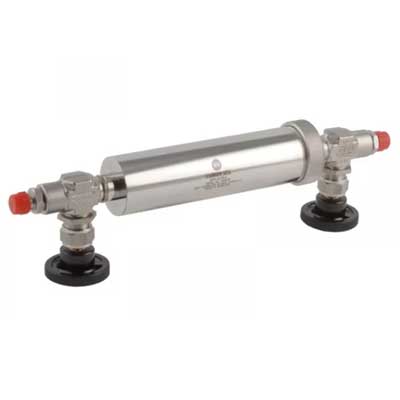
LPG Equipment in Bangladesh
Safe and efficient liquefied petroleum gas handling requires dependable equipment, and LPG Equipment in Bangladesh provides essential solutions for storage, transfer, testing, distribution, and industrial applications. LPG systems are widely used in residential, commercial, industrial, hospitality, automotive, and energy sectors. Proper equipment helps control gas flow, prevent leakage, maintain pressure, and support safe operation throughout the LPG handling process. Depending on the application, an LPG setup may include storage tanks, regulators, valves, hoses, pumps, vaporizers, filling equipment, leak detection systems, and testing instruments. High quality equipment should provide reliable performance, strong construction, corrosion resistance, and suitable safety features. Selecting the correct components is important for maintaining operational efficiency and reducing safety risks. Professional LPG equipment also supports proper installation, inspection, maintenance, and long term system reliability.
Importance of LPG Equipment
LPG is a highly useful fuel, but it requires controlled handling because it is stored under pressure and is highly flammable. Proper LPG equipment helps maintain safe conditions during storage, transportation, transfer, and consumption. Valves and regulators control pressure and flow, while storage vessels provide secure containment. Leak detection and testing equipment can help identify potential problems before they become serious. Reliable components also reduce operational interruptions and improve fuel handling efficiency. Industrial users should select equipment according to the intended application, operating environment, gas characteristics, and applicable safety requirements. Proper installation and regular inspection are equally important. A complete LPG system should combine quality components with appropriate engineering practices to provide dependable and safe operation.
LPG Storage Equipment
LPG storage equipment provides secure containment for liquefied petroleum gas before it is supplied to users or transferred through a distribution system. Storage solutions may include suitable pressure vessels, tanks, valves, gauges, safety devices, and related accessories. The equipment must be designed to handle the pressure and environmental conditions associated with LPG storage. Durable construction and corrosion resistance are important for maintaining long service life. Storage systems should also incorporate appropriate protection and monitoring features. Proper placement, installation, inspection, and maintenance are essential for safe operation. Industrial and commercial facilities should select storage equipment based on their operational requirements and applicable engineering standards. A professionally designed storage system improves fuel availability while supporting safe and organized LPG management.
LPG Regulators and Pressure Control
LPG regulators play an important role in controlling gas pressure before LPG reaches appliances, burners, machinery, or process equipment. A regulator reduces the pressure from the storage or supply system to a suitable operating level. Stable pressure control helps appliances and industrial systems operate consistently. A reliable regulator should be compatible with the LPG application and designed for the required pressure conditions. Good construction, secure connections, and dependable internal components contribute to long service life. Regulators should be inspected periodically for signs of wear, leakage, or damage. Selecting an appropriate pressure control system is important for both performance and safety. Professional LPG equipment suppliers can help users identify suitable regulator solutions for different applications.
LPG Valves and Safety Components
Valves are essential components in LPG systems because they control, isolate, or direct gas flow. Different applications may require shutoff valves, excess flow protection, pressure relief devices, check valves, or other specialized components. Reliable valves should operate smoothly and provide secure sealing under the intended operating conditions. Safety components provide an additional layer of protection against abnormal pressure, uncontrolled flow, or other system problems. Materials should be suitable for LPG service and the surrounding environment. Proper installation is critical because an incorrectly fitted valve can compromise system safety. Regular inspection and maintenance help ensure that valves remain functional. Quality safety components are an essential part of a professionally designed LPG installation.
LPG Leak Detection Equipment
Gas leakage is a serious safety concern in LPG installations, making leak detection an important part of system management. LPG leak detection equipment helps identify the presence of gas in areas where accumulation could create a hazardous condition. Detection systems may include portable gas detectors, fixed sensors, alarms, and monitoring devices. Suitable equipment can provide early warning and allow operators to take corrective action. Detector placement should be based on the characteristics of LPG and the layout of the facility. Sensors should be maintained and checked according to manufacturer recommendations. Reliable gas detection supports safer operation in industrial plants, commercial kitchens, filling facilities, storage areas, and other locations where LPG is handled.
LPG Hoses and Transfer Equipment
LPG hoses and transfer equipment are used to move gas safely between storage vessels, filling systems, appliances, and other connection points. These components must be designed specifically for LPG service and should be capable of handling the required pressure and environmental conditions. Flexible hoses allow practical connections where rigid piping is not suitable. Proper fittings and secure connections are essential for preventing leakage. Hoses should be inspected regularly for cracks, abrasion, deformation, or other damage. Replacing worn components promptly helps maintain system safety. Quality LPG transfer equipment provides flexibility while maintaining reliable gas containment during normal operation. Correct selection and installation are important for safe and efficient LPG transfer.
LPG Pumps and Transfer Systems
LPG pumps support controlled transfer of liquefied gas between storage and distribution systems. They are commonly used in commercial and industrial LPG facilities where efficient product movement is required. A suitable pump should be compatible with LPG service and designed for the operating conditions of the installation. Reliable pumps provide consistent transfer performance and can improve operational efficiency. Proper seals, valves, connections, and protective components are important for maintaining system integrity. Operators should follow recommended procedures during pump operation and maintenance. Routine inspection can help identify abnormal vibration, leakage, wear, or performance changes. Properly selected LPG transfer equipment contributes to safer and more efficient fuel distribution.
LPG Vaporizers for Industrial Applications
LPG vaporizers convert liquid LPG into gas under controlled conditions when the application requires a stable gaseous supply. They are useful in industrial and commercial systems where gas demand may require controlled vaporization. A vaporizer should provide consistent performance while maintaining appropriate temperature and pressure conditions. Proper sizing is important because an unsuitable vaporizer may affect gas supply stability. Equipment construction should also be suitable for the operating environment and fuel characteristics. Safety controls and monitoring systems can help manage vaporization conditions. Regular inspection and maintenance support reliable operation. Industrial facilities can benefit from properly designed vaporization systems when LPG is used as a fuel for heating, processing, cooking, or other applications.
LPG Filling and Dispensing Equipment
LPG filling equipment is used in facilities where LPG is transferred into approved cylinders or other suitable containers. A filling system may include pumps, valves, hoses, meters, weighing systems, control equipment, and safety devices. Accurate control during filling is essential for safe and consistent operation. Equipment should be designed specifically for LPG service and installed according to applicable requirements. Operators should receive proper training before using filling systems. Regular inspection of hoses, valves, meters, connections, and safety components helps maintain reliable performance. A well designed LPG dispensing system improves workflow while supporting controlled fuel transfer. Safety procedures should always be followed during filling and handling operations.
LPG Testing and Inspection Equipment
Testing and inspection equipment helps engineers evaluate the condition and performance of LPG systems and components. Pressure gauges, leak detection devices, gas detectors, valve testing tools, and other inspection instruments can support routine maintenance and troubleshooting. Regular testing can identify leakage, pressure irregularities, damaged components, or other problems before they affect system operation. Reliable instruments should provide clear readings and stable performance. Proper calibration is important for measurement equipment because inaccurate readings can lead to incorrect engineering decisions. Testing procedures should be performed by trained personnel following suitable safety practices. Effective inspection programs improve system reliability and help maintain safer LPG handling environments.
LPG Equipment for Industrial Applications
Industrial facilities use LPG for heating, drying, process operations, manufacturing, food production, and other applications. Industrial LPG systems often require carefully designed storage, pressure regulation, vaporization, distribution, and safety equipment. The equipment must be selected according to the facility's gas demand, operating environment, and process requirements. Reliable components help maintain consistent fuel supply and reduce interruptions. Industrial users should also consider accessibility for maintenance and inspection when designing LPG systems. Proper ventilation, leak detection, emergency isolation, and suitable protective measures are important parts of industrial LPG installations. A professionally engineered system can improve fuel handling efficiency while supporting safe and reliable industrial operation.
LPG Equipment for Commercial and Hospitality Use
Restaurants, hotels, catering facilities, bakeries, and other commercial businesses commonly use LPG for cooking and heating. Commercial systems require reliable regulators, valves, hoses, storage arrangements, and safety equipment to support continuous operation. Proper equipment helps maintain stable gas supply to cooking appliances and reduces the risk of leakage. Commercial kitchens should have suitable ventilation and gas detection measures where required. Hoses and connections should be inspected regularly because frequent use can contribute to wear. Equipment should be easy to maintain and designed for the working environment. Selecting quality LPG components helps commercial facilities maintain efficient operations while giving greater attention to staff and customer safety.
Features of Quality LPG Equipment
Quality LPG equipment should combine reliable performance, durable construction, secure connections, and suitable safety features. Components exposed to LPG should be manufactured from appropriate materials and designed for pressure service. Clear gauges and controls make equipment easier to monitor and operate. Corrosion resistant construction can be beneficial in challenging industrial environments. Good equipment should also allow practical inspection and maintenance. Safety devices such as pressure relief systems, emergency shutoff arrangements, and gas detection solutions can improve overall system protection. Compatibility between individual components is equally important. A properly integrated LPG system performs more reliably than a collection of unsuitable or mismatched components.
Maintenance and Safety of LPG Equipment
Regular maintenance is essential for keeping LPG systems safe and dependable. Operators should inspect valves, hoses, regulators, connections, storage components, pumps, detectors, and other equipment according to established procedures. Any sign of leakage, corrosion, physical damage, or abnormal operation should be investigated promptly by qualified personnel. Gas detection systems and safety devices should be tested regularly to confirm proper operation. Equipment should be kept clean and accessible for inspection. Maintenance work on LPG systems should be performed by trained professionals using appropriate procedures. Good maintenance reduces the likelihood of equipment failure and supports safer long term operation. Proper documentation of inspections and servicing also helps organizations manage their LPG systems effectively.
Choosing LPG Equipment in Bangladesh
Choosing suitable LPG Equipment in Bangladesh requires careful evaluation of the intended application, operating pressure, gas demand, installation environment, equipment compatibility, safety requirements, and maintenance needs. Storage facilities may require different solutions from commercial kitchens or industrial production plants. Buyers should prioritize equipment quality, appropriate certification, durable construction, and dependable safety features. Availability of installation assistance, spare parts, calibration, inspection, and technical support should also be considered. Working with an experienced LPG equipment supplier can help users select compatible components and develop a safer system. Proper engineering and professional installation are essential for achieving reliable performance. With suitable equipment and regular maintenance, LPG systems can provide efficient fuel handling for a wide range of applications.