
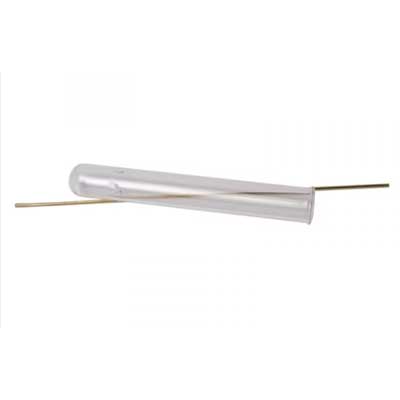

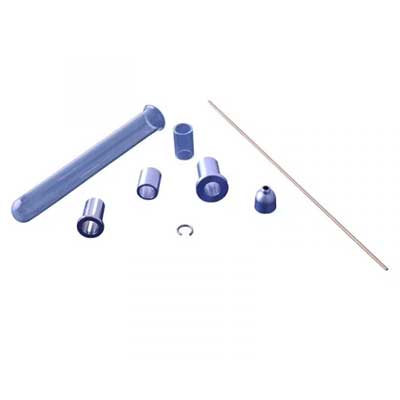






Hardening and Softening Equipment in Bangladesh
Industrial materials must have suitable mechanical properties to perform reliably under different operating conditions. Hardening and Softening Equipment in Bangladesh helps engineers and laboratory professionals evaluate how materials respond to heat treatment, cooling, forming, and other processes that influence hardness and softness. These equipment solutions are useful for metal testing, material research, manufacturing quality control, heat treatment operations, and engineering laboratories. Proper testing helps determine whether a material has achieved the desired mechanical characteristics for its intended application. Reliable equipment provides controlled testing conditions and supports consistent evaluation of material behavior. Durable construction, stable operation, and user friendly controls are important features for laboratories that perform frequent material testing. By using suitable hardening and softening testing equipment, manufacturers can improve process control, product quality, and confidence in material performance.
Importance of Hardening and Softening Testing
Hardening and softening processes can significantly change the mechanical behavior of metals and other engineering materials. Hardening generally increases resistance to wear, deformation, and surface damage, while softening can improve machinability, ductility, and forming characteristics. Testing helps engineers determine whether a material has achieved the required condition after processing. Hardness evaluation is also useful for identifying inconsistencies caused by incorrect heating, cooling, material composition, or processing conditions. Laboratory equipment allows technicians to perform controlled evaluations and compare material behavior before and after treatment. Reliable test results support manufacturing decisions and help identify process problems at an early stage. This makes hardening and softening equipment valuable for quality assurance, research, production control, and material development.
Hardening Equipment for Metal Testing
Hardening equipment is used to support heat treatment processes that increase the hardness and strength of suitable materials. Heat treatment systems may include controlled heating equipment, furnaces, quenching arrangements, temperature monitoring systems, and supporting accessories. Precise temperature control is important because the final properties of a material depend strongly on the heating and cooling process. A reliable hardening system should maintain stable operating conditions and provide consistent treatment results. Durable heating elements and well insulated chambers can improve efficiency and service life. Industrial laboratories and manufacturing facilities use hardening equipment when developing materials, checking production processes, or preparing samples for further testing. Proper process control helps manufacturers achieve more consistent mechanical properties across finished components.
Softening Equipment for Material Preparation
Softening processes are commonly used to improve the machinability, ductility, or workability of metals. Controlled heating and cooling can reduce internal stresses and modify the material structure. Softening equipment supports processes such as annealing and other controlled heat treatment methods. Laboratory and industrial users can prepare samples or components for machining, forming, fabrication, and further material evaluation. Stable temperature control is essential for achieving consistent treatment conditions. Equipment with reliable insulation, temperature monitoring, and durable chamber construction can support repeated use. Proper softening treatment can also improve manufacturing efficiency by making difficult materials easier to process. Testing and documentation help engineers verify that the treatment has produced the intended material characteristics.
Heat Treatment Furnace Applications
Heat treatment furnaces are an important part of many hardening and softening processes. They provide controlled thermal environments for treating metal samples and components. A suitable furnace should offer stable heating, reliable temperature control, adequate insulation, and durable internal construction. Different materials and treatment methods may require different operating conditions, so furnace selection should be based on the application. Laboratory furnaces are useful for research, sample preparation, process development, and quality control. Industrial systems can support larger components and continuous production requirements. Proper furnace maintenance helps protect heating elements, sensors, insulation, and control systems. Consistent furnace performance contributes to repeatable heat treatment results and more reliable material testing.
Quenching and Cooling Systems
Quenching is an important part of many hardening processes because the cooling rate can influence the final material structure and hardness. Quenching may involve suitable liquids or controlled cooling methods depending on the material and treatment process. Reliable quenching equipment helps provide consistent cooling conditions and supports repeatable results. Proper sample handling is important because uncontrolled cooling can produce uneven properties or unwanted stresses. Laboratory systems may include suitable containers, temperature monitoring, circulation arrangements, and safety features. Engineers should select quenching equipment according to the material, treatment method, sample size, and required cooling characteristics. Controlled quenching improves process consistency and helps laboratories better understand the relationship between heat treatment and material performance.
Hardness Testing After Heat Treatment
Hardness testing is commonly performed after hardening or softening treatment to evaluate the resulting material condition. Hardness testers help determine resistance to indentation and provide useful information about material consistency. Depending on the application, laboratories may use different hardness testing methods and instruments. Proper sample preparation and test surface condition are important for reliable results. Hardness measurements can help identify variations across a component or compare treated and untreated samples. These results can support quality control and heat treatment verification. A dependable hardness tester should provide stable operation, clear readings, and suitable test force control for the intended material. Regular calibration helps maintain confidence in measurement results.
Applications in Steel and Metal Industries
Steel and metal manufacturers rely heavily on hardening and softening processes to obtain suitable mechanical properties. Components such as gears, shafts, tools, bearings, fasteners, molds, and machine parts may require specific hardness or softness characteristics. Hardening can improve resistance to wear and deformation, while softening can make materials easier to machine or form. Testing equipment helps manufacturers monitor these processes and verify material conditions. Laboratories can compare samples, investigate production variations, and support process development. Reliable equipment is especially valuable where consistent material properties are important for product performance. Proper testing and heat treatment control contribute to improved product reliability and reduced manufacturing defects.
Applications in Automotive Component Testing
Automotive components often operate under demanding mechanical and thermal conditions. Parts such as gears, shafts, engine components, suspension elements, and transmission parts may require carefully controlled hardness and toughness. Hardening and softening processes help achieve the required balance of wear resistance, strength, and machinability. Testing equipment allows engineers to verify the condition of treated components and investigate material variations. Hardness testing can also support incoming material inspection and production quality control. Reliable heat treatment and testing systems help automotive manufacturers maintain consistent component performance. Durable laboratory equipment supports repeated testing in research, production, and failure analysis environments.
Applications in Tool and Machinery Manufacturing
Tools and machine components must withstand mechanical stress, repeated contact, and wear. Heat treatment is often used to improve their hardness and durability. Cutting tools, dies, molds, gears, and machine parts may require different material conditions depending on their intended function. Hardening equipment supports the development of wear resistant surfaces, while softening processes can improve machining and forming before final treatment. Laboratory testing helps engineers evaluate the results of these processes. Reliable equipment also supports material selection and process optimization. By maintaining controlled treatment conditions and performing suitable hardness evaluations, manufacturers can improve product consistency and extend the useful life of tools and machine components.
Material Research and Laboratory Applications
Research laboratories use hardening and softening equipment to study the relationship between heat treatment and material properties. Engineers and researchers can investigate how different thermal processes affect hardness, strength, ductility, and structural characteristics. Controlled laboratory equipment allows samples to be treated under repeatable conditions before mechanical or microscopic analysis. This is valuable for developing new materials, optimizing existing alloys, and understanding manufacturing processes. Research equipment should provide stable temperature control, dependable monitoring, and flexible operation. Durable construction is also important because experimental programs may involve repeated heating and cooling cycles. Accurate documentation of treatment conditions helps researchers compare results and develop reliable conclusions.
Features of Modern Hardening Equipment
Modern hardening and softening equipment is designed to provide controlled operation and convenient laboratory use. Useful features may include digital temperature controllers, programmable heating cycles, reliable sensors, insulated chambers, safety systems, and easy to operate interfaces. Precise control allows engineers to maintain consistent treatment conditions during repeated tests. Strong construction helps equipment withstand frequent thermal cycling and industrial laboratory use. Safety features are also important because heat treatment involves high temperatures and heated materials. Depending on the system, data monitoring and recording capabilities can further support process documentation. Selecting equipment with suitable controls and construction quality helps laboratories achieve better consistency and long term operational reliability.
Benefits of Reliable Material Testing Equipment
Reliable material testing equipment provides valuable information for quality control and engineering decisions. Consistent testing helps identify whether materials meet expected hardness or softness characteristics after treatment. It can also reveal variations caused by production conditions, raw material differences, or improper heat treatment. Accurate results support process optimization and reduce the risk of unsuitable components entering production. Durable equipment reduces interruptions and supports frequent laboratory use. Easy operation allows technicians to perform routine testing efficiently, while proper calibration maintains measurement confidence. Overall, dependable testing equipment helps manufacturers improve product quality, reduce waste, and maintain more consistent manufacturing processes.
Calibration and Equipment Maintenance
Calibration and preventive maintenance are essential for reliable hardening and softening equipment. Temperature sensors, controllers, hardness testing systems, and other measurement components should be checked according to laboratory procedures and manufacturer recommendations. Furnace chambers, heating elements, insulation, and cooling systems should also be inspected regularly. Test surfaces and sample holders must be kept clean to avoid contamination or inconsistent results. Proper maintenance can help identify worn components before they affect testing performance. Calibration records should be maintained to support quality assurance and traceability. A planned maintenance program extends equipment service life and helps laboratories maintain dependable results over long periods of operation.
Selecting Hardening and Softening Equipment in Bangladesh
Selecting suitable Hardening and Softening Equipment in Bangladesh requires careful consideration of the material, heat treatment process, sample size, temperature requirements, testing method, and laboratory environment. Engineers should evaluate equipment construction, temperature stability, control options, safety features, ease of maintenance, and compatibility with existing laboratory procedures. Availability of calibration, spare parts, installation support, and technical assistance should also be considered. A reliable supplier can provide guidance during equipment selection and help ensure that the chosen system matches the laboratory's actual requirements. Proper selection improves testing efficiency and helps organizations obtain dependable performance from their laboratory investment.
Safety and Technical Support
Heat treatment and hardness testing require careful attention to laboratory safety. Operators should follow equipment instructions and established safety procedures when handling heated samples, furnaces, quenching media, and testing instruments. Appropriate protective equipment and suitable ventilation should be used where required. Equipment should be installed in a suitable working environment with proper electrical and thermal safety provisions. Technical support is also valuable for installation, operator training, troubleshooting, calibration, and maintenance. Working with an experienced laboratory equipment supplier can help organizations maintain safe and efficient operation. Proper training ensures that technicians understand equipment controls and testing procedures.
Reliable Hardening and Softening Solutions
Hardening and Softening Equipment in Bangladesh supports material testing, heat treatment, research, and industrial quality control across a wide range of engineering applications. Reliable equipment helps engineers control thermal processes, evaluate hardness, investigate material behavior, and maintain consistent product quality. Durable construction, stable temperature control, dependable measurement, and practical operation are important characteristics when selecting equipment. With proper calibration and preventive maintenance, laboratory systems can provide dependable service over an extended operating life. For metal manufacturers, automotive industries, tool producers, research laboratories, and engineering facilities, suitable hardening and softening equipment provides an effective foundation for controlled material evaluation and improved manufacturing performance.