
Pile Load Test Instrumentation Using Strain Gauges | QC LAB SOLUTION Bangladesh
Advanced Pile Load Test Instrumentation Services in Bangladesh
QC LAB SOLUTION Bangladesh provides professional Pile Load Test Instrumentation Using Strain Gauges for accurate monitoring, analysis, and performance evaluation of deep foundation systems. Strain gauge instrumentation is an essential geotechnical testing solution used in static and dynamic pile load testing to measure pile behavior under applied loads.
This advanced method helps engineers determine load distribution, shaft resistance, end bearing, settlement behavior, and structural performance of piles in real-time.
Test Procedure:
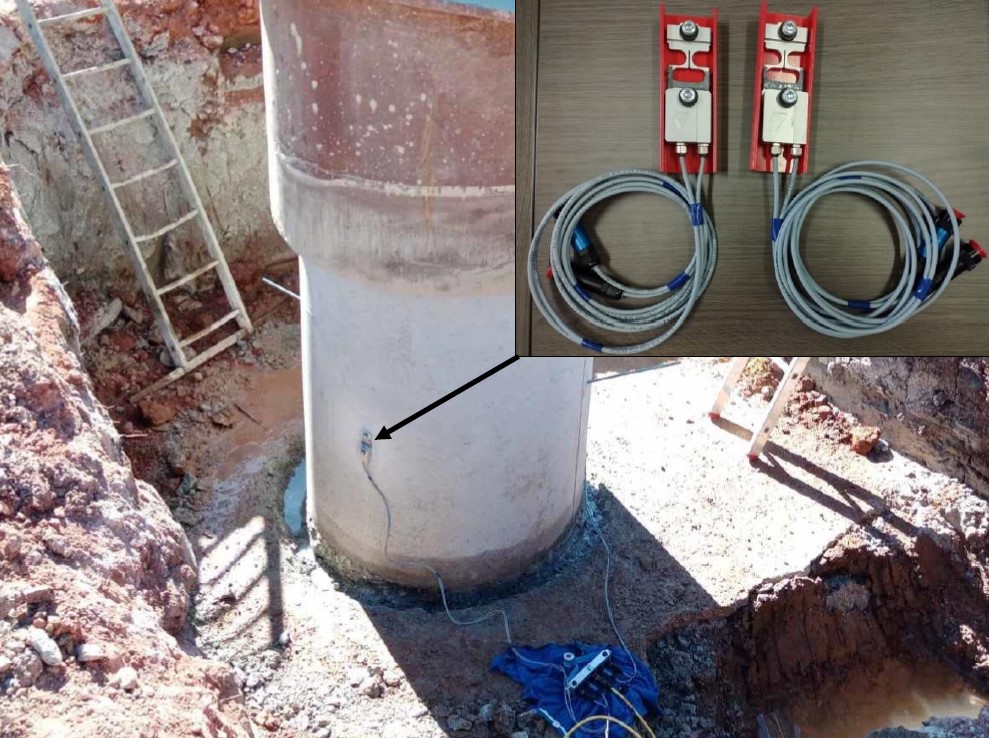
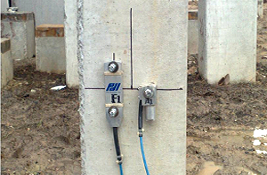
- Instrumentation Installation: Strain gauges are carefully installed on the surface of the pile at specified intervals using adhesive or welding techniques. Calibration of strain gauges is performed to ensure accurate measurement sensitivity.
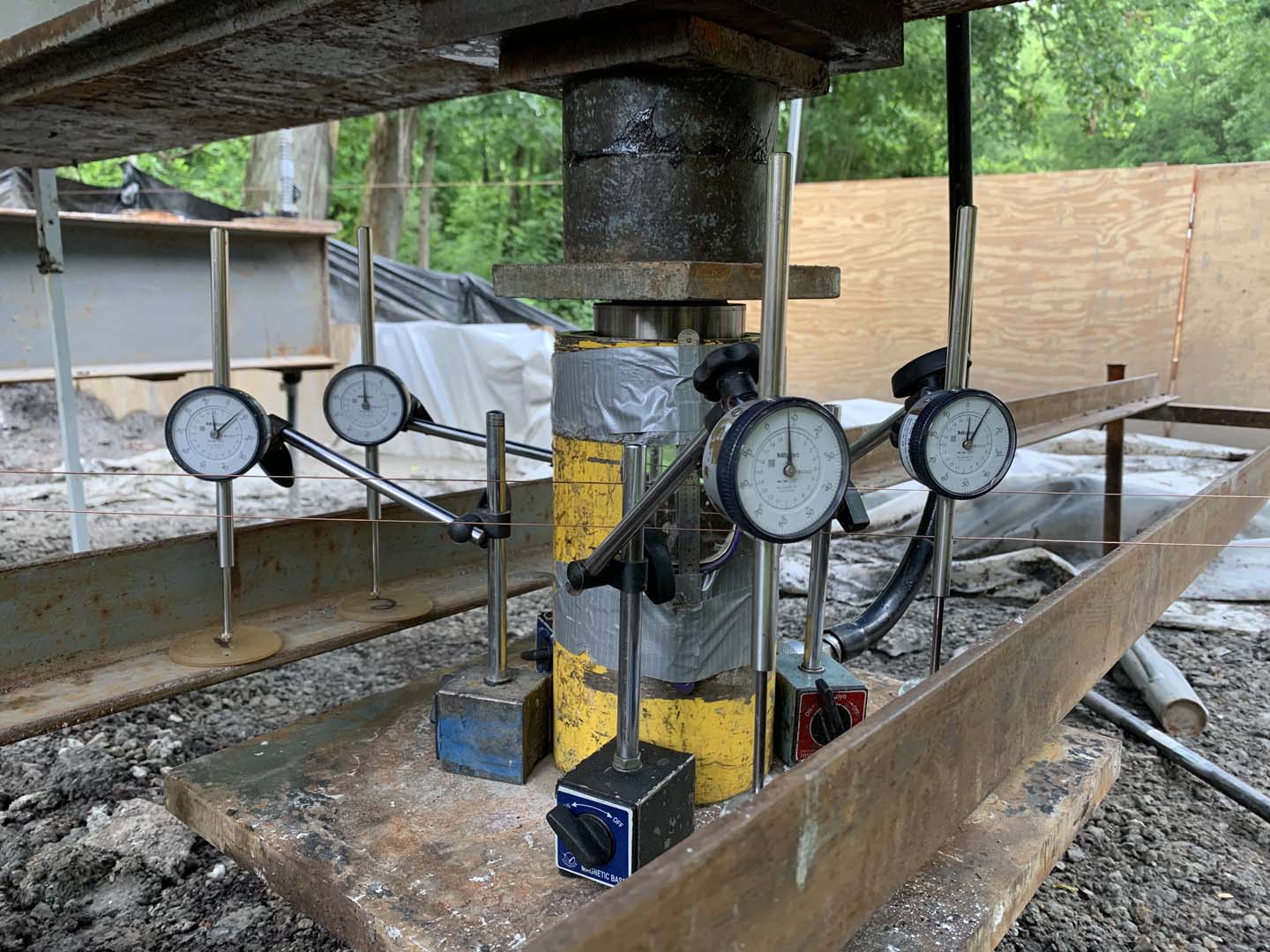
- Load Application: Hydraulic jacks or reaction frames are used to apply incremental loads to the pile. During load application, strain gauges continuously measure the strain distribution along the pile length.
- Data Acquisition: Strain measurements from the gauges are recorded using electronic data acquisition systems. These systems capture real-time data, including strain levels, load increments, and corresponding pile deformations.
- Analysis: The collected data is analyzed to generate load-strain curves, which depict the relationship between applied loads and pile strains. Engineers interpret these curves to determine the ultimate load capacity, elastic and plastic deformations, and overall pile behavior under various loading conditions.
- Reporting: A detailed report is compiled, documenting the instrumentation setup, test procedure, observed results, and conclusions drawn from the analysis. Recommendations for design improvements or construction modifications may be included based on the findings.
|
Time (seconds) |
Strain Gauge 1 (µε) |
Strain Gauge 2 (µε) |
Strain Gauge 3 (µε) |
|
0 |
0 |
0 |
0 |
|
10 |
50 |
55 |
48 |
|
20 |
105 |
110 |
102 |
|
30 |
16o |
165 |
158 |
Table: Data table for strain gauge readings
Time (seconds): Represents the duration of the test from the beginning.
Strain Gauge 1, 2, 3 (µε): The readings from three different strain gauges installed at different points on the pile. µε (microstrain) is the unit of measurement for strain, which indicates the deformation of the material in micro strain units.
Advantages:
- Provides direct measurement of pile strain and deformation.
- Allows for accurate assessment of load-bearing capacity and structural behavior.
- Useful for validating design assumptions and construction quality.
Applicable Area:
This method is widely applicable in high-rise buildings, bridges, and industrial structures where precise measurement of pile performance is crucial.
In Bangladesh main user of this survey are LGED, RHD, BBA, DMTCL, DNCC, DSCC, WASA, City Corporation, RAJUK, DPHE, CAAB, PWD, Bangladesh Railway Department and other private industry like construction company, consultancy company and ETP Contractor etc.
Future Scopes: Continued advancements in strain gauge technology aim to enhance measurement accuracy and efficiency, further improving the reliability of pile load testing.
Standards: ASTM D1143/D1143M - Standard Test Methods for Deep Foundations Under Static Axial Compressive Load provides guidelines for conducting pile load tests using strain gauges.
What is Pile Load Test Instrumentation Using Strain Gauges?
Strain gauges are precision sensors installed along the pile length to monitor strain under loading conditions. These measurements allow engineers to calculate:
- Axial load distribution
- Shaft friction resistance
- End bearing capacity
- Pile settlement characteristics
- Structural stress behavior
- Elastic shortening of piles
- Load transfer mechanism
Strain gauge instrumentation is widely used for:
- Static pile load tests
- Osterberg Cell Tests (O-Cell)
- Dynamic pile testing
- Bored pile testing
- Driven pile monitoring
Benefits of Strain Gauge Instrumentation
Accurate Load Transfer Analysis
Provides detailed understanding of how load is transferred through the pile.
Real-Time Monitoring
Enables continuous observation during testing.
Enhanced Foundation Design
Improves pile design optimization and cost efficiency.
Reliable Data Collection
Offers highly precise engineering measurements.
International Standard Compliance
Supports ASTM, BS, and other geotechnical testing standards.
Types of Strain Gauges Used
QC LAB SOLUTION Bangladesh utilizes advanced instrumentation systems including:
- Vibrating Wire Strain Gauges
- Electrical Resistance Strain Gauges
- Sister Bar Strain Gauges
- Rebar Strain Gauges
- Embedded Concrete Strain Gauges
Applications
Pile load test instrumentation is critical for:
- High-rise buildings
- Bridge foundations
- Industrial plants
- Marine structures
- Infrastructure projects
- Power stations
- Commercial developments
QC LAB SOLUTION Bangladesh Services
Our instrumentation services include:
- Pile Instrumentation Design
- Strain Gauge Installation
- Data Acquisition Systems
- Static Load Test Monitoring
- Dynamic Load Test Monitoring
- Geotechnical Analysis
- Detailed Engineering Reports
Why Choose QC LAB SOLUTION Bangladesh?
- Skilled geotechnical engineers
- Advanced testing instruments
- High-precision monitoring systems
- Accurate engineering analysis
- Fast reporting
- Nationwide service coverage
- Competitive project pricing
Reporting Deliverables
Clients receive complete reports covering:
- Load vs strain analysis
- Load transfer curves
- Settlement measurements
- Shaft and toe resistance calculations
- Structural integrity assessment
- Engineering recommendations
Conclusion
Pile Load Test Instrumentation Using Strain Gauges by QC LAB SOLUTION Bangladesh provides precise, reliable, and professional deep foundation monitoring solutions. Our advanced geotechnical testing services ensure safer designs, optimized construction, and dependable engineering performance for major infrastructure projects.