

The Importance of Detailed Engineering Assessments in Bangladesh's Development
Detailed Engineering Assessment (DEA) in Bangladesh is an essential solution for construction. DEA is a critical phase that follows preliminary design and feasibility studies. This comprehensive evaluation delves deeply into the specifics of engineering design, construction, and material specifications, ensuring that all aspects of a project meet rigorous standards of safety, functionality, and regulatory compliance. It involves a thorough examination of structural integrity, geotechnical conditions, environmental impact, and construction methodologies. By providing a meticulous analysis and validation of all design elements, the Detailed Engineering Assessment serves as a cornerstone for optimizing project performance, minimizing risks, and facilitating the successful execution of civil engineering projects.

Globally, Detailed Engineering Assessments are becoming increasingly crucial as infrastructure projects grow in complexity and scale. With heightened emphasis on sustainability, safety, and regulatory compliance, these assessments are essential for ensuring that projects meet stringent standards and are resilient to environmental and operational challenges. Advances in technology, such as Building Information Modeling (BIM), Civil NDT Testing and digital simulations, have revolutionized the assessment process, allowing for more precise analyses and cost-effective solutions. As nations continue to invest in infrastructure development, the demand for thorough and robust engineering assessments is expected to rise, reflecting the global commitment to high-quality, reliable engineering practices.
In Bangladesh, Detailed Engineering Assessments are increasingly vital as the country experiences rapid urbanization and infrastructure development. With significant investments in projects such as roads, bridges, and buildings, there is a pressing need for rigorous assessments to ensure structural integrity, safety, and resilience against natural disasters like floods and earthquakes. The focus is also on integrating modern engineering practices and technologies to address challenges related to soil conditions, climate variability, and resource constraints. As Bangladesh strives for sustainable development and improved infrastructure, enhancing the quality and scope of engineering assessments is crucial for supporting safe, effective, and resilient construction practices across the nation. Most government entity including private sector in Bangladesh are main user of Detail Engineering Assessment. Those entity are- LGED, BBA, RHD, PWD, RAJUK, CITY CORPORATION, HBRI, WASA, DMTCL. RAIL MINISTRY, DPHE, BANGLADESH PORT AUTHORITY etc. including in private sector construction and consultancy firm, ETP contractor, developer and consultancy firm are active user of DEA.
QC Lab Solution. is at the forefront of Detailed Engineering Assessments (DEA) in Bangladesh, leveraging advanced Civil Non-Destructive Testing (NDT) techniques to enhance infrastructure reliability and safety. By integrating cutting-edge NDT methodologies, QC Lab Solution. provides critical insights into the structural integrity and performance of various civil engineering projects, including bridges, buildings, and roadways. Our expertise in conducting thorough assessments ensures that designs are robust, materials are sound, and potential issues are identified and addressed before construction. This proactive approach not only supports the safe and sustainable development of Bangladesh's infrastructure but also fosters confidence in the country's rapidly evolving engineering landscape.

Importance of Detail Engineering Assessment (DEA):
As we already aware of, a Detail Engineering Assessment (DEA) is a thorough evaluation conducted during the engineering phase of a project to ensure that all design and engineering aspects are robust, feasible, and meet the required standards and specifications. This assessment typically involves a deep dive into the technical details of a project, including:
- Design Validation: Checking that the detailed designs meet the project requirements, specifications, and industry standards.
- Technical Feasibility: Evaluating whether the proposed solutions and technologies can be practically and effectively implemented.
- Risk Analysis: Identifying potential risks and issues that could affect the project’s success, including safety concerns, operational challenges, and environmental impacts.
- Cost and Resource Analysis: Reviewing the cost estimates, resource requirements, and budget implications to ensure that the project is financially viable.
- Compliance and Regulatory Review: Ensuring that the project complies with all relevant regulations, codes, and standards.
- Integration and Interfaces: Assessing how well different components of the project integrate and interface with each other, including compatibility and performance issues.
- Quality Assurance: Verifying that the engineering processes and outputs meet quality standards and are capable of delivering the intended performance and reliability.
Procedure of Detail Engineering Assessments:
- Pre-Assessment Planning;
- Site Inspection and Preparation;
- NDT Method Selection;
- Data Collection;
- Data Analysis;
- Reporting;
- Recommendations and Action Plan;
- Follow-Up;
- Monitor implementation of recommendations.
- Conduct additional assessments if necessary.
- Pre-Assessment Planning:
Define Scope and Objectives: Establish the purpose of the Detail Engineering Assessment, the specific components to be evaluated, and the performance criteria that need to be met. This includes determining the extent of the evaluation and setting goals for what the assessment should achieve.
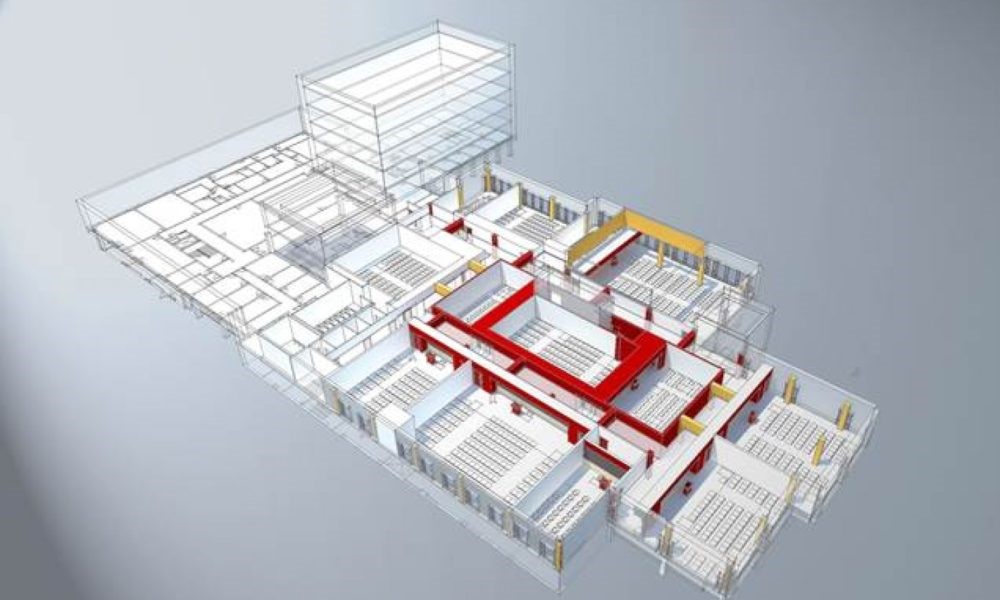
Identify Testing Requirements and Methodologies: Selecting appropriate NDT methods based on the type of materials, structural components, and potential defects. Decide on the testing techniques (e.g., ultrasonic testing, radar technology, eddy current testing, radiographic testing) and equipment needed.
- Site Inspection and Preparation:
Conduct Preliminary Site Survey: We perform an initial site visit to understand the layout, accessibility, and existing conditions. This helps in planning the logistics and setting up the testing process.

Set Up Safety Measures and Equipment: Implement necessary safety protocols to protect personnel and equipment. Ensure that all required equipment is in place and calibrated for accurate testing.
- Choose Appropriate NDT Techniques:
Based on the assessment objectives, select the most suitable NDT methods. Common techniques include:
Ultrasonic Testing (UT): Uses high-frequency sound waves to detect internal flaws. In these Ultrasonic Pulse Velocity (UPV) are common te sting method.
Radar technology: Uses radar technology with electro magnetic frequency which is delivered by transmitter and then receiver receive the frequency. In these Structural GPR is commonly used technology.
Eddy Current Testing (ECT): Identifies surface and near-surface defects using electromagnetic induction. Basically, Rebar Locator (Profometer), Cover-meter are the main eddy current technology methods.
Radiographic Testing (RT): Utilizes X-rays or gamma rays to view internal structures.
Without these methods there are lots of NDT methods are available which we will discuss rapidly.
- Ultrasonic Pulse Velocity (UPV) Tester:
Role in DEA: Helps to determine the thickness and integrity of materials like concrete and metal by assessing the speed at which sound waves travel through them. Useful for detecting voids, cracks, and other internal flaws.

Concrete Quality Assessment Table:
|
Pulse Velocity Range |
Quality Indicator |
|
> 4500 m/s (14,764 ft/s) |
Excellent Quality |
|
4000 - 4500 m/s (13,123 - 14,764 ft/s) |
Good Quality |
|
3000 - 4000 m/s (9,843 - 13,123 ft/s) |
Fair Quality |
|
< 3000 m/s (9,843 ft/s) |
Poor Quality |
Table: Concrete Quality Assessment Table.
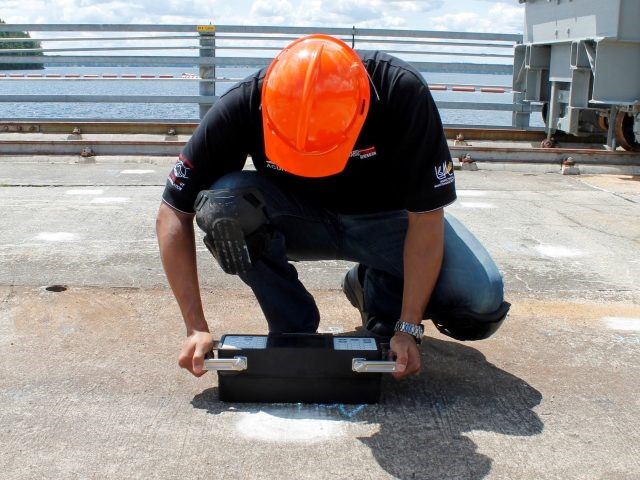
Application: Measures the velocity of ultrasonic waves passing through a material. By this we can assess–
- Correlation of compressive strength of concrete and rocks;
- Correlation to Modulus of Elasticity of rocks;
- Homogeneity mapping of concrete;
- Defects assessments of concrete Subsurface;
- Concrete strength estimation by using SONREB methods and
- Quality assessments etc.
Applicable Area: Essential for infrastructure projects like Bridge, Building Construction, Flyover, Dam, Retaining Wall, Expressway, Subway, Metro Rail etc. In Bangladesh major client of this test are LGED, RHD, BBA, DMTCL, WASA, HBRI, City Corporation, RAJUK, PWD, Bangladesh Railway Department, DPHE and other private industry like construction company, consultancy company and ETP Contractor etc.
Standard guidelines: UPV follows international standard. Which confirm the quality and worldwide preferable techniques. These are- ОСТ 17624, C 597-02, CECS 21, Guidelines EN 12504-4, IS 13311, ISO 1920-7:2004.
- Ultrasonic Pulse Echo Array Tester:
Role in DEA: Helps to determine defects of concrete and other specification of concrete by using pulse echo array velocity which sound waves travel through the concrete.
Quality Assessment Table:
|
Echo Response Range |
Quality Indicator |
|
Clear and Consistent Echoes |
Excellent Quality |
|
Minor Echo Variations |
Good Quality |
|
Significant Echo Variations |
Fair Quality |
|
Poor Echo Response |
Poor Quality |
Table: Concrete Quality Assessment Table.
Application: Measures the velocity of ultrasonic waves passing through a material. By this we can assess
- Location of subsurface defects of concrete;
- Measurement of thickness of concrete element;
- Determination of concrete pulse velocity for homogeneity and strength estimation;
- Concrete void and delamination detection;
- Bonding assessments of concrete;
- Concrete heat prevention measurement etc.
Applicable Area: Essential for infrastructure projects like Bridge, Building Construction, Flyover, Dam, Retaining Wall, Expressway, Subway, Metro Rail etc. In Bangladesh major client of this test are LGED, RHD, BBA, DMTCL, WASA, HBRI, City Corporation, RAJUK, PWD, Bangladesh Railway Department, DPHE and other private industry like construction company, consultancy company and ETP Contractor etc.
Standard and guidelines: Ultrasonic Pulse Echo Array tester follow these standard and guidelines which ensure quality assessments - EN12504-2, EN13791, ACI 228.2R-13, DGZfP Merkblatt B4, RI-ZFP-TU, ZTV-ING Teil 5 Tunnelbau.
- Structural Ground Penetrating Radar (GPR):
Role in DEA: Effective for locating and mapping reinforcements, detecting voids, and assessing the condition of buried structures or utilities. Provides a detailed view of the internal structure of concrete and soil.
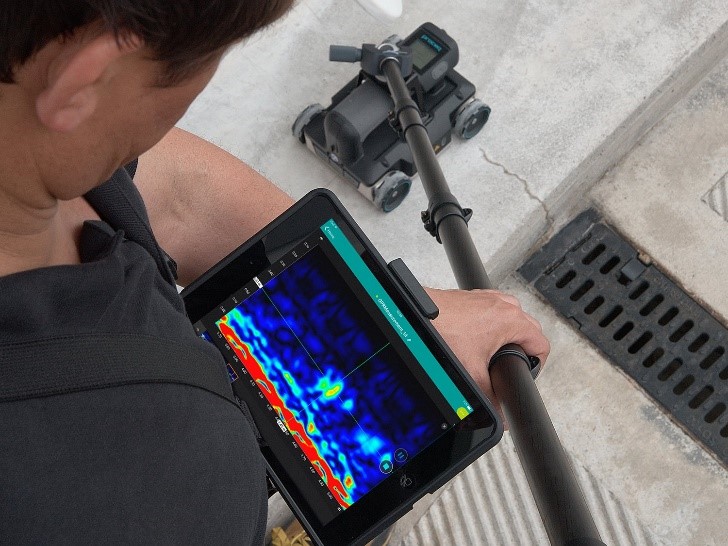
Application: Uses electromagnetic pulses to image subsurface structures. By this we can assess–
- Investigation of pavement, bridge decks and other infrastructure like building structure, slab, column etc.;
- Locating of rebars and live wires before drilling, cutting and coring;
- Shallow utility locating;
- Detection of concrete honeycombing;
- Concrete Quality Assessment etc.
Applicable Area: Essential for infrastructure projects like Bridge, Building Construction, Flyover, Dam, Retaining Wall, Expressway, Subway, Metro Rail etc. In Bangladesh major client of this test are LGED, RHD, BBA, DMTCL, WASA, HBRI, City Corporation, RAJUK, PWD and other private industry like construction company, consultancy company and ETP Contractor etc.
Standard and guidelines: Structural GPR follows-ACI 228.2R.98, ASTM D4748-10, ASTM D6087-08, ASTM D6432-11, EN 302066 – ETSI, NCHRP Synesis 255, SHRP H-672, SHRP S-300, SHRP S-325.
- Concrete Cover Meter and Rebar Locator (Profometer):
Role in DEA: Ensures that the concrete cover meets design specifications, which is crucial for protection against corrosion and structural integrity. Helps in assessing the durability and safety of concrete structures.
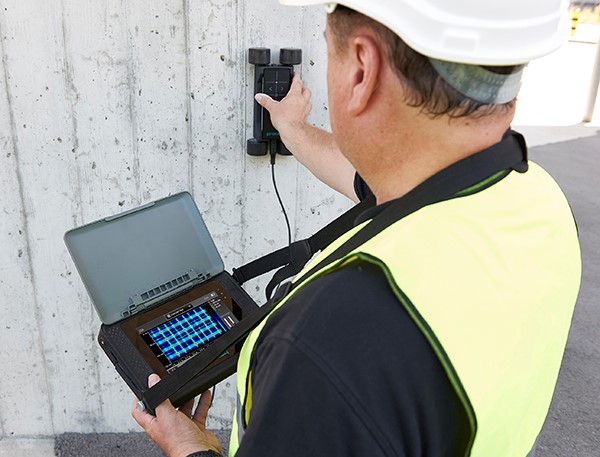
Application: Measures some specification of concrete using eddy current technology. Those are below-
- Quality control of new construction;
- Checking durability and structural resistance assessments of existing concrete structure;
- Detection of rebar location;
- Metal detection from concrete;
- Finding safe spot to drill and other orientation works;
- Checking minimum cover of concrete;
- Rebar Corrosion Assessment;
- Crack Assessment of concrete etc.
Applicable Area: Essential for infrastructure projects like Bridge, Building Construction, Flyover, Dam, Retaining Wall, Expressway, Subway, Metro Rail etc. In Bangladesh major client of this test are LGED, RHD, BBA, DMTCL, WASA, HBRI, BWDB, City Corporation, RAJUK, PWD, Bangladesh Railway Department and other private industry like construction company, consultancy company and ETP Contractor etc.
Standard and guidelines: Profometer follows- BS 1881, Part 204, DGZfP B2DIN 1045, SIA 262-1, SN 505262, SS 78-B4, DBV Guidelines.
- Pile Integrity Tester:
Role in DEA: Assesses the quality of piles by detecting anomalies such as voids or defects. Ensures that piles meet design requirements and perform effectively under load.
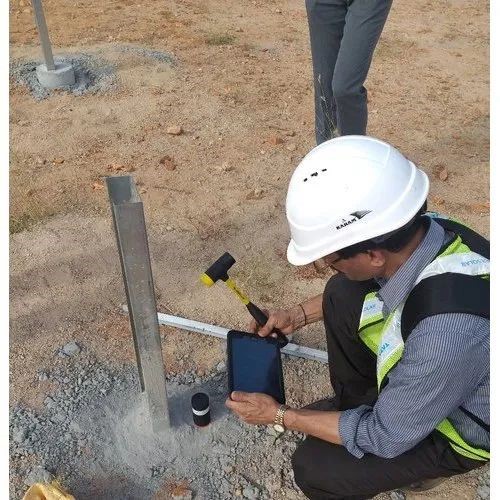
Data table:
|
Pile ID |
Test Date |
Test Type |
Pile Diameter (mm) |
Pile Length (m) |
Wave Speed (m/s) |
Travel Time (ms) |
Comments |
|
001 |
2024-06-15 |
Low Strain |
300 |
15 |
1200 |
12.5 |
No anomalies |
|
002 |
2024-06-16 |
High Strain |
500 |
20 |
1400 |
13.0 |
Minor defects |
|
003 |
2024-06-17 |
Sonic Testing |
400 |
10 |
1300 |
14.0 |
No issues |
Table: PIT field data table and resulr.
Application: Evaluates the condition and integrity of piles using techniques such as low-strain or sonic testing or impact echo. By pile integrity tester we can assess–
- Pile Length Assessment;
- Detection of internal defects such as void or delamination;
- Mapping of concrete plate thickness;
- Concrete column length assessments;
- Asset inspection such as building foundation, bridge foundation, piles and pier assessments etc.
Applicable Area: Essential for infrastructure projects like Bridge, Building Construction, Flyover, Dam, Retaining Wall, Expressway, Subway, Metro Rail etc. In Bangladesh major client of this test are BBA, LGED, RHD, DMTCL, WASA, HBRI, City Corporation, RAJUK, PWD, BWDB, Bangladesh Railway Department, DPHE and other private industry like construction company, consultancy company and ETP Contractor etc.
Standard and guidelines: This test follows- ASTM C1383, ASTM D5882, DGZfP Merkblatt B11, RI-ZFP-TU, which ensure the quality testing.
- Rebound Hammer:
Role in DEA: Provides an indirect estimate of concrete strength by measuring the rebound of a spring-loaded hammer. Useful for assessing the quality and uniformity of concrete during construction or in existing structures.
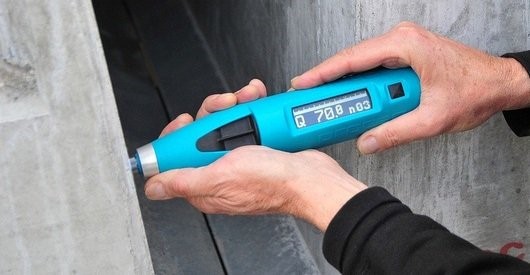
Rebound Hammer Data Table:
|
Sample ID |
Test Date |
Location |
Concrete Age (days) |
Rebound Number |
Average Rebound Number |
Comments |
|
001 |
2024-06-13 |
Area A |
28 |
45 |
45 |
Good condition |
|
002 |
2024-06-13 |
Area B |
56 |
38 |
39 |
Slightly lower |
|
003 |
2024-06-14 |
Area C |
90 |
50 |
48 |
Excellent |
Table: Data Sheet for Rebound Hammer.
Application:
- Measures the hardness of concrete surfaces;
- Compressive strength of concrete;
- Identifying variations in concrete properties;
- Finding surface hardness o f rock etc.
Applicable Area: Essential for infrastructure projects like Bridge, Building Construction, Flyover, Dam, Retaining Wall, Expressway, Subway, Metro Rail etc. In Bangladesh major client of this test are LGED, RHD, BBA, DMTCL, WASA, HBRI, City Corporation, RAJUK, PWD, DPHE, BWDB and other private industry like construction company, consultancy company and ETP Contractor etc.
Standard and guidelines: Rebound hammer follows- JCSE-G504, JGJ-T23, EN12504-2, EN13791, GOST 22690-2015, ACI 228.1R, ASTM C 805. ISO 1920-7, JIS A1155.
- Pull Off Tester:
Role in DEA: Evaluates the bond strength between a coating and the substrate, which is critical for assessing the durability of protective coatings on concrete or steel structures.
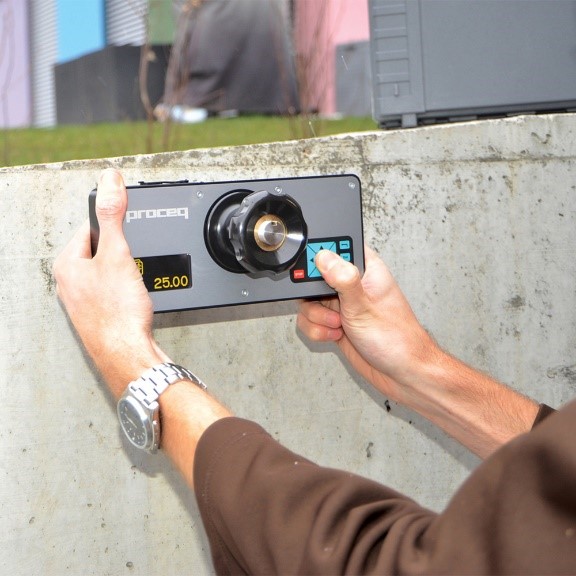
Pull-Off Test Data Table:
|
Sample ID |
Test Date |
Location |
Concrete Age (days) |
Test Type |
Adhesion Strength (MPa) |
Failure Mode |
Comments |
|
001 |
2024-05-04 |
Area A |
28 |
Coating |
2.5 |
Cohesive |
Pass |
|
002 |
2024-05-05 |
Area B |
56 |
Adhesive |
1.8 |
Adhesive |
Needs review |
|
003 |
2024-05-05 |
Area C |
90 |
Coating |
3.0 |
Cohesive |
Pass |
Table: Data Sheet of Pull Off Tester.
Application:
- Adhesive strength of mortars and renders;
- Adhesive strength of Asphalt;
- Adhesive strength of tiles;
- Bond strength of coating and overlays;
- Bond strength of repair materials such as FRP;
- Tensile strength of concrete renovation etc.
Applicable Area: Essential for infrastructure projects like Bridge, Building Construction, Flyover, Dam, Retaining Wall, Expressway, Subway, Metro Rail etc. In Bangladesh major client of this test are LGED, RHD, BBA, DMTCL, WASA, HBRI, City Corporation, RAJUK, PWD, BWDB and other private industry like construction company, consultancy company and ETP Contractor etc.
Standard and guidelines: Pull Off tester follows- ASTM C 1583, ASTM C1857, ASTM D 4541, ASTM D 7234, ASTM D 7522, EN 1015-12, EN 12004-2, EN 1348, EN 1542, ISO 4624, JGJ 110, JGJ 126, JGJ 144, SIA 281/3, ZTV-ING, ГОСТ 22690.
- Leeb Hardness Tester:
Role in DEA: Provides an assessment of the mechanical properties of metal components, helping to determine if they meet design specifications and are suitable for their intended load-bearing functions.
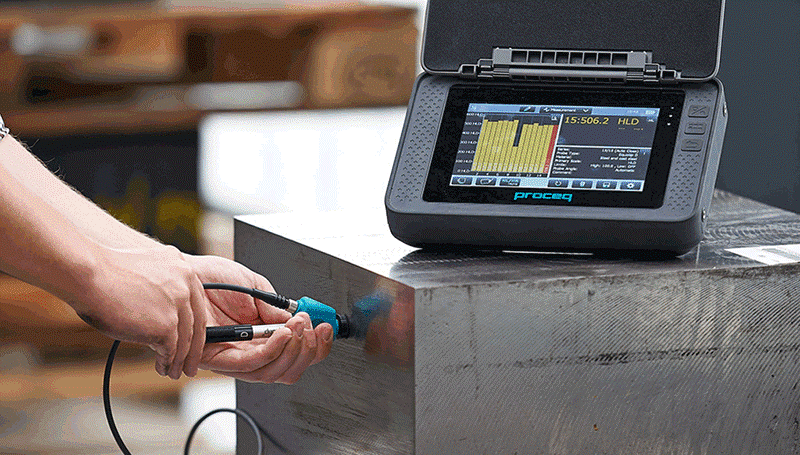
Application:
- Hardness test of casts;
- Hardness test of flanges;
- Shaft hardness detection;
- Bar/pipes hardness detection;
- Near line quality control etc.
Applicable Area: Essential for infrastructure projects like Bridge, Building Construction, Flyover, Dam, Retaining Wall, Expressway, Subway, Metro Rail etc. In Bangladesh major client of this test are LGED, RHD, BBA, DMTCL, WASA, HBRI, City Corporation, RAJUK, PWD, BWDB, Bangladesh Railway Department and other private industry like construction company, consultancy company and ETP Contractor etc.
Standard and guidelines: Leeb Hardness Tester follows- ASTM A 370, ASTM A 956, ASTM E 140, DIN 50156, DL/T 1845 (China), GB/T 17394, ISO 16859, ISO 18265, JB/T 9378, ASME CRTD-91, DGZfP Guideline MC 1, Nordtest Technical Reports 424-1, 424-2, 424-3, VDI / VDE Guideline 2616 Paper 1.
- Ultrasonic Flaw Detector:
Role in DEA: Identifies cracks, voids, and other internal defects in metals, welds, and concrete. Essential for evaluating the structural integrity and safety of critical components.
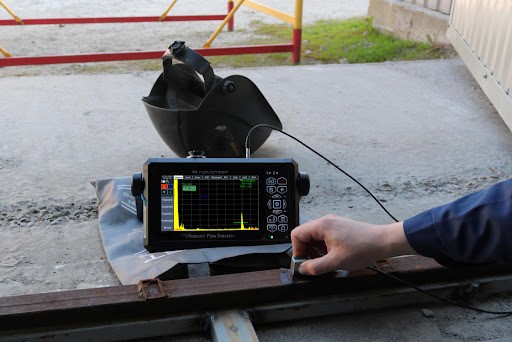
Application: Detects and characterizes internal flaws in materials using ultrasonic waves. By these we can assess-
- Penetration Test and assessments;
- Welding Inspection of Pressure Vessel;
- Defects analysis in Wel ding etc.
Ultrasonic Flaw Detector On-Site Results:
|
Test Point/Location |
Probe Type |
Frequency |
Pulse Duration |
Result |
Flaw Type |
Size/Depth |
Comments |
|
Weld Joint A |
5 MHz |
2 µs |
0.5 µs |
Fail |
Crack |
3 mm |
Crack detected at weld joint, requires repair. |
|
Midsection Plate B |
2 MHz |
1 µs |
1.0 µs |
Pass |
None |
N/ A |
No significant flaws detected. |
|
Corner Plate C |
10 MHz |
0.5 µs |
0.3 µs |
Fail |
Delamination |
1 mm |
Delamination observed at 10 mm depth. |
|
Support Beam D |
5 MHz |
2 µs |
0.7 µs |
Fail |
Corrosion |
4 mm |
Surface corrosion noted, further inspection needed. |
|
Base Plate E |
1 MHz |
3 µs |
1.2 µs |
Pass |
None |
N/A |
No defects found, material in good condition. |
Applicable Area: Essential for infrastructure projects like Bridge, Building Construction, Flyover, Expressway, Subway, Metro Rail, Steel Structure, Steel Industry, Truss work etc. In Bangladesh major client of this test are LGED, RHD, BBA, DMTCL, WASA, HBRI, City Corporation, PGCB, EGCB, NESCO, BPDB, DESCO and other private industry like construction company, consultancy company and ETP Contractor etc.
Standard and guidelines: Ultrasonic Flaw Detector follows- ГОСТ 14782, ГОСТ 55724, EN 12668-1.
- Retroreflecto-meter:
Role in DEA: Assesses the visibility and performance of road markings, which is important for safety and compliance with traffic standards. Ensures that markings meet required visibility standards.
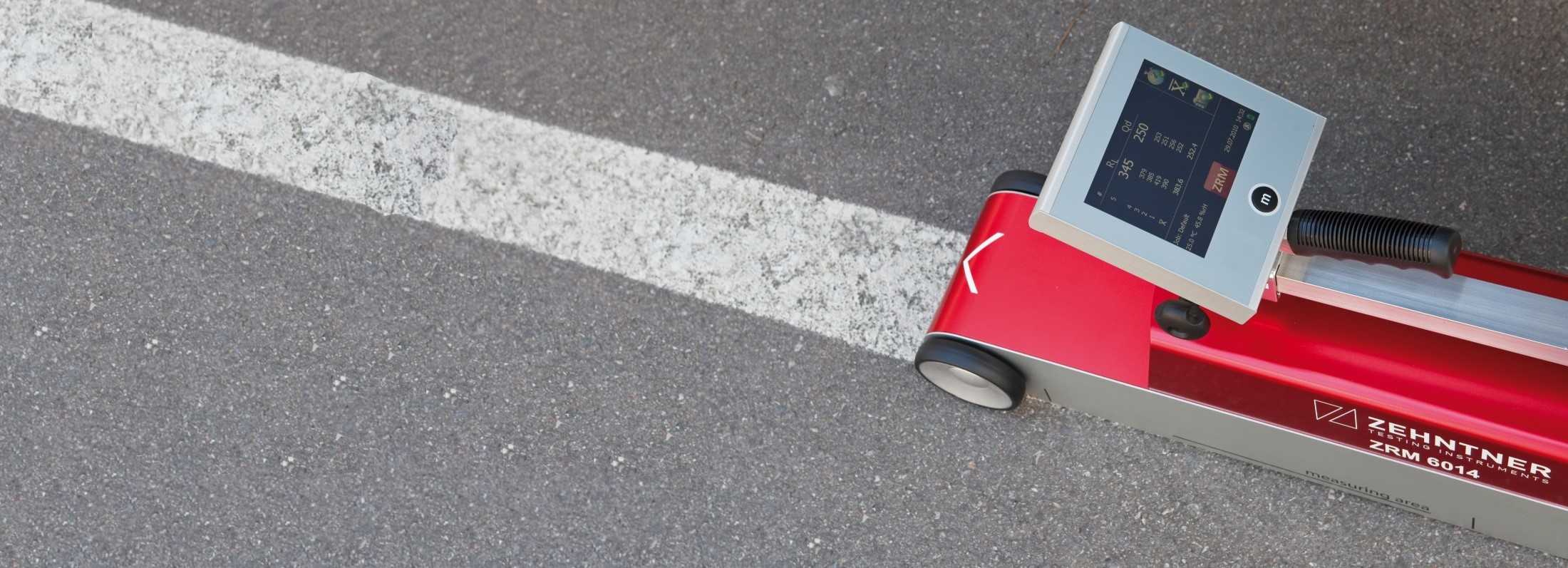
Application:
- Determination of night visibility (RL) of road and airport markings;
- Determination of day visibility (Qd) of road and airport markings;
- Use on all types of road and airport markings and Field and laboratory use;
- Quality assessment.
Applicable Area: Essential for road and infrastructure projects like Bridge, National Highway, Flyover, Different Road Project, Expressway, Subway etc. In Bangladesh major client of this test are LGED, RHD, BBA, DMTCL, WASA, City Corporation, RAJUK and other private industry like construction company, consultancy company and ETP Contractor etc.
Standard and guidelines: Retroreflecto-meter follows- ASTM E1710-18, ASTM E2177, ASTM E2302, CIE 54.2, EN 13197.
- Skid Resistance Tester:
Role in DEA: Evaluates the frictional properties of road surfaces to ensure safety for vehicles. Helps in assessing the performance and safety of roadways, especially in adverse weather conditions.
Application: Measures the skid resistance of pavement surfaces, concrete floor etc.
Applicable Area: Essential for road construction companies, road authorities, road laboratories, manufacturers of road marking materials, contractors and expert witness / For the determination of the pendulum test value for laboratory and use in the field and infrastructure projects like Bridge, National Highway, Flyover, Different Road Project, Expressway, Subway etc. In Bangladesh major client of this test are LGED, RHD, BBA, DMTCL, WASA, City Corporation, RAJUK and other private industry like construction company, consultancy company and ETP Contractor etc.
Standard follows: Skid Resistance Tester follows- AS/NZS 4586-2013, AS/NZS 4663-2013, ASTM E303, BS 7976-1:2002+A1:2013, BS 812-114:1989, BS EN 1097-8:2009, BS EN 13036-4:2011.
- Data Collection:
Perform NDT Testing: Execute the chosen NDT methods on the designated structural components. Ensure that testing is conducted systematically and accurately to gather reliable data.
Record and Document Test Results: Capture and document the results of each test, including measurement s, observations, and any anomalies detected. Proper documentation is essential for subsequent analysis.
- Data Analysis:
Analyze NDT Data for Anomalies or Defects: Evaluate the collected data to identify any defects or irregularities in the structural components. Compare findings with design specifications, codes, and industry standards to assess their significance.
Compare Findings with Design Specifications and Standards: Determine if the structural elements meet the required safety and performance criteria. Identify any deviations or issues that need to be addressed.
- Reporting:
Compile a Detailed Assessment Report: Prepare a comprehensive report that includes:
Summary of Findings: Overview of the tests performed and key results.
Defect Descriptions: Detailed account of any defects or anomalies detected.
Interpretations: Analysis of what the findings mean in terms of structural integrity.
Recommendations: Suggested corrective actions or further investigations if necessary.
|
Section |
Description |
Details/Findings |
Recommendations |
|
< /p> |
|
& nbsp; |
|
|
1. Project Overview |
Overview of the project and NDT scope |
Project Name: Bridge Overpass Evaluation |
N/A |
|
2. NDT Methodology |
Techniques and standards used for NDT |
Ultrasonic Testing (UT): ASTM E114 |
Ensure correct methods and adherence to standards. |
|
3. Inspection Procedures |
Procedures followed during NDT |
UT: Performed on beams at specified intervals, calibrated equipment. |
Follow standardized procedures; maintain calibration. |
|
4. Findings from NDT |
Results from NDT methods |
Ultrasonic Testing: |
Address anomalies in Beam 1; monitor other beams. |
|
5. Structural Integrity |
Impact on overall structural integrity |
Beams 1 and 3: Immediate attention required due to voids and crack. |
Reinforce or repair Beam 1; continue monitoring. |
|
6. Safety Assessment |
Evaluation of safety risks based on NDT findings |
Risk: Surface crack on Beam 1 may propagate. |
Implement load restrictions; repair Beam 1. |
|
7. Compliance Check |
Compliance with standards and codes |
Standards Reviewed: ASTM E114, E94, E709, Local Building Codes. |
Ensure full compliance; address Beam 1 issues. |
|
8. Cost Analysis |
Financial implications of findings and repairs |
Immediate Repairs: $25,000 for Beam 1. |
Allocate funds for repairs and future maintenance. |
|
9. Conclusion |
Summary of findings and recommendations |
Summary: Minor internal voids and surface crack found. Immediate repairs needed for Beam 1. Structure generally meets standards. |
Implement recommended repairs and maintenance. |
- Recommendations and Action Plan:
Propose Corrective Measures or Improvements: Based on the assessment results, recommend specific actions to address any identified issues. This may include repairs, reinforcements, or design modifications.
Develop an Action Plan for Addressing Identified Issues: Create a plan outlining how the recommendations will be implemented, including timelines, responsible parties, and required resources.
- Follow-Up:
Monitor Implementation of Recommendations: Oversee the execution of the proposed corrective measures to ensure they are properly carried out.
Conduct Additional Assessments if Necessary: Perform further testing or evaluations to verify the effectiveness of the implemented solutions and ensure that the structural integrity is maintained.
Contributing to Smart Bangladesh Mission through Detail Engineering Assessment:
QC Lab Solution. can play a crucial role in the Smart Bangladesh Mission through Detailed Engineering Assessments (DEA). Here’s how you can contribute effectively:
Ensure Structural Integrity and Safety:
Assessment and Analysis: Use Civil NDT methods to evaluate the integrity of existing structures and new constructions. Techniques like ultrasonic testing, radiographic testing, and ground-penetrating radar can help identify potential weaknesses or defects without causing damage.
Maintenance and Upgrades: Provide actionable insights to improve the durability and safety of infrastructure, aligning with Smart Bangladesh's goals of modernizing and maintaining high-quality infrastructure.
Support Sustainable Development:
Resource Efficiency: Through accurate assessment, reduce the need for unnecessary repairs or reconstructions, thereby conserving resources and minimizing environmental impact.
Lifecycle Management: Help in planning for long-term maintenance and upgrades, ensuring that infrastructure remains sustainable and efficient over time.
Promote Innovation and Technology Integration:
Adopt Advanced NDT Techniques: Implement the latest technologies in NDT to stay ahead in quality assurance and assessment. This aligns with Smart Bangladesh’s focus on leveraging technology for better urban and infrastructural management.
Data-Driven Insights: Utilize data collected through NDT to create detailed reports and predictive models, enhancing decision-making processes for infrastructure development.
Enhance Urban Planning and Development:
Pre-Construction Assessments: Conduct thorough assessments of soil and existing structures before new developments to ensure compatibility and stability, which is crucial for effective urban planning.
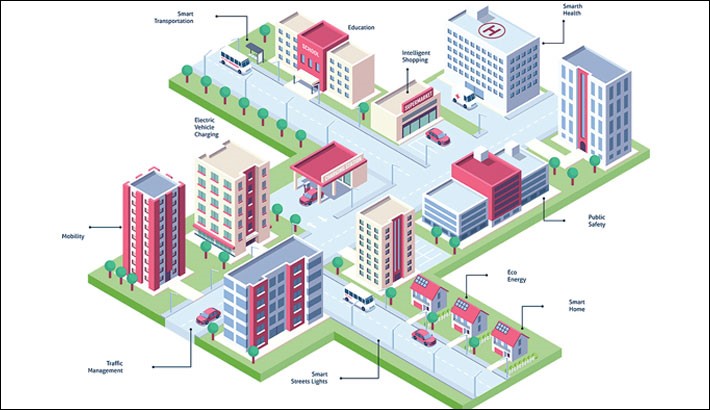
Compliance and Standards: Ensure that all infrastructure complies with national and international standards, contributing to the overall quality and safety of urban development.
Support Resilience and Disaster Preparedness:
Evaluate Vulnerabilities: Identify structural vulnerabilities that could affect resilience to natural disasters, and recommend necessary reinforcements or modifications.
Disaster Recovery Planning: Provide critical information that aids in effective disaster recovery and risk management strategies, enhancing the city’s ability to respond to emergencies.
Collaborate and Share Knowledge:
Work with Local Authorities: Partner with government bodies and local authorities to align your assessments with the broader goals of the Smart Bangladesh Mission.
Training and Capacity Building: Offer training programs for local engineers and construction professionals on the latest NDT methods and technologies.
Promote Transparency and Accountability:
Clear Reporting: Provide transparent and comprehensive reports that can be used for audits, compliance checks, and public information.
Feedback Mechanisms: Implement feedback mechanisms to continually improve your processes and methodologies based on real-world outcomes a nd stakeholder inputs.
By focusing on these areas, QC Lab Solution. can effectively contribute to the Smart Bangladesh Mission, enhancing the quality, safety, and sustainability of civil infrastructure in the country.
QC Lab Solution. plays a crucial role in advancing the Smart Bangladesh Mission by leveraging Detailed Engineering Assessments (DEA) and advanced Civil Non-Destructive Testing (NDT) techniques. Through meticulous evaluations, the company ensures the safety, durability, and sustainability of infrastructure, supporting the mission’s goals of innovation and responsible development. By identifying potential issues early and promoting effective maintenance and upgrades, QC Lab Solution. helps enhance infrastructure quality and resilience, contributing significantly to the nation's vision of smart and sustainable urban growth.