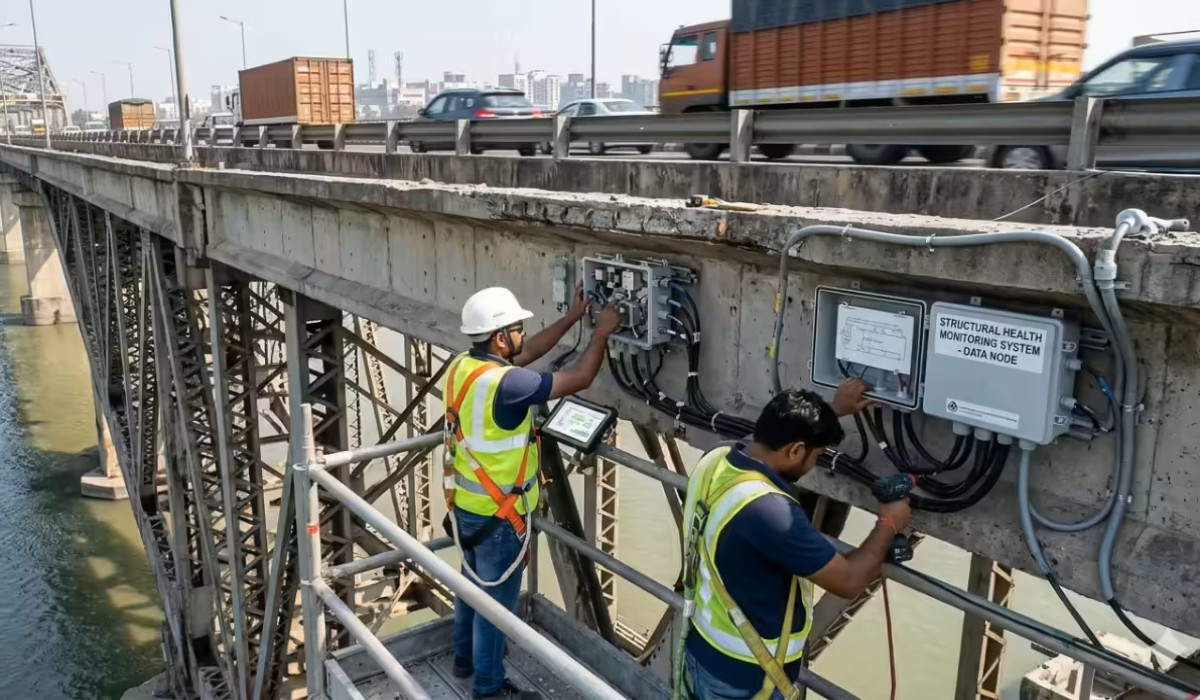
Our Bridge Health Monitoring solution combines structural engineering expertise, advanced monitoring technology, and reliable data analysis to evaluate the condition and performance of bridge infrastructure. This completed project was developed with a practical engineering approach to help identify structural behavior, monitor critical components, and support informed maintenance decisions. The system is designed for dependable operation in demanding bridge environments while providing useful information for structural assessment and long term infrastructure management.
Structural Condition Assessment
The monitoring system supports detailed observation of important structural conditions and changes over time. Engineers can use collected information to understand how bridge components respond to operational loads, environmental influences, vibration, movement, and other external factors. This provides valuable supplementary information alongside conventional inspection practices and helps establish a clearer understanding of the overall structural condition.
Continuous Structural Monitoring
Continuous monitoring provides greater visibility into bridge behavior compared with occasional inspections alone. Depending on project requirements, the system can observe important parameters and record changes for subsequent engineering analysis. Long term monitoring helps establish performance trends and can assist engineers in identifying unusual behavior that may require closer investigation or corrective action.
Advanced Sensor Integration
A bridge monitoring system can incorporate different types of sensors according to the structural requirements of the project. Suitable technologies may include strain sensors, displacement sensors, vibration sensors, tilt sensors, temperature sensors, crack monitoring devices, and environmental measurement equipment. Proper sensor selection and positioning are essential for obtaining meaningful and reliable structural data.
Vibration Monitoring
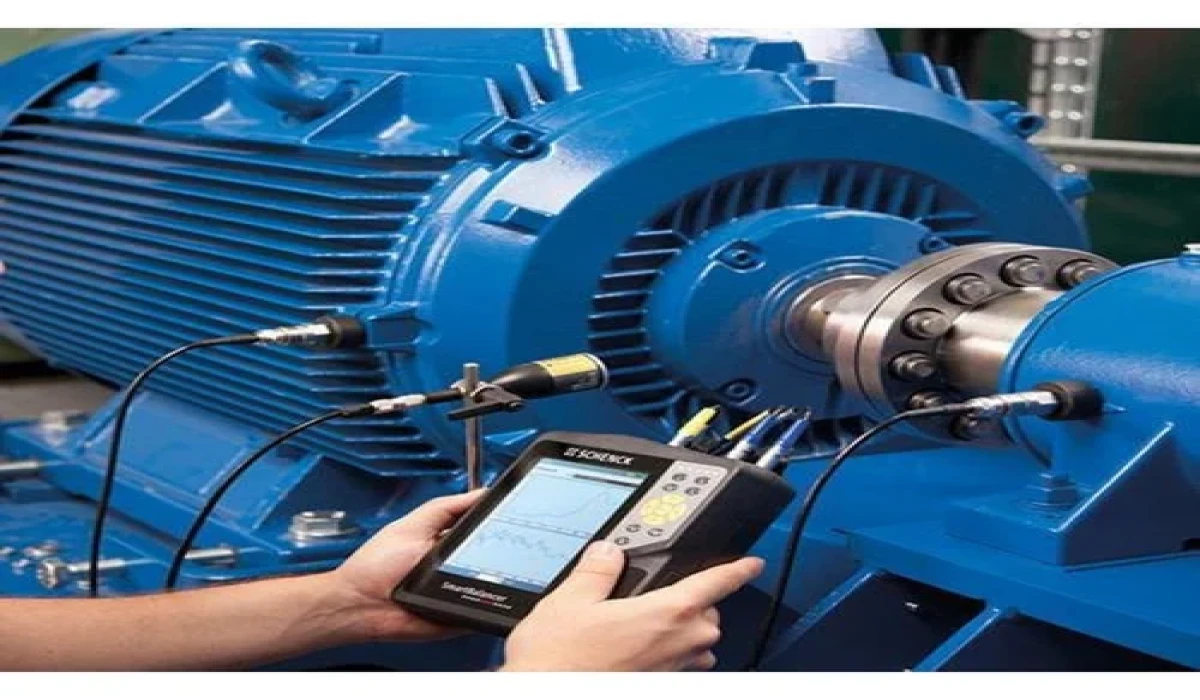
Vibration behavior is an important indicator of structural performance. The monitoring solution can support the measurement and analysis of dynamic responses caused by traffic, wind, operational activities, and other external influences. Changes in vibration characteristics may provide useful information about structural behavior and can guide engineers toward areas requiring further assessment.
Strain Monitoring
Strain measurement provides valuable information about the response of structural members under operational loading. Monitoring strain can help engineers understand load distribution and structural response in critical components. The collected information can contribute to engineering evaluations, structural performance studies, and decisions related to inspection and maintenance requirements.
Displacement and Deformation Monitoring
Bridge components naturally experience movement due to temperature variation, traffic loading, structural flexibility, and environmental conditions. Monitoring displacement and deformation helps engineers understand these movements and identify unusual changes. Reliable measurement can support assessment of deflection, settlement, alignment, expansion, contraction, and other structural movements.
Environmental Monitoring
Environmental conditions can influence bridge materials and structural behavior. The monitoring system can incorporate environmental measurements where required to help correlate structural responses with surrounding conditions. Monitoring factors such as temperature, humidity, and moisture can provide additional insight into material performance, durability, and environmental effects on the structure.
Corrosion and Durability Assessment
Corrosion and material deterioration can gradually affect the durability and performance of bridge structures. Monitoring and inspection technologies can assist engineers in identifying conditions associated with deterioration and determining areas that require closer attention. Early awareness of deterioration supports proactive maintenance planning and helps protect the long term serviceability of bridge assets.
Real Time Data Collection
Reliable data collection is a fundamental part of an effective structural monitoring system. The completed project provides a framework for collecting relevant structural information from installed monitoring equipment. Organized data allows engineers and asset managers to review structural behavior, identify trends, and make better informed decisions based on actual field conditions.
Data Analysis and Interpretation
Monitoring data becomes valuable when it is properly interpreted from an engineering perspective. Recorded measurements can be reviewed to identify trends, variations, and unusual responses. Engineers can compare current observations with established baseline behavior and investigate significant changes. This analytical approach supports condition evaluation and improves understanding of the bridge throughout its operational life.
Improved Maintenance Planning
Bridge Health Monitoring supports a condition based maintenance approach by providing useful information about actual structural behavior. Monitoring results can help maintenance teams prioritize inspection activities and focus resources on areas that require attention. This can improve maintenance efficiency while supporting the preservation of structural performance and durability.
Enhanced Structural Safety
Reliable structural information can strengthen bridge safety management by improving awareness of changing conditions. Monitoring does not replace professional inspection, engineering assessment, or established safety procedures. Instead, it provides an additional source of technical information that can help engineers recognize potential concerns earlier and determine appropriate inspection or maintenance actions.
Long Term Asset Management
Bridge infrastructure requires continuous management throughout its service life. Monitoring information can contribute to a valuable historical record of structural behavior and environmental conditions. This information supports long term performance evaluation, maintenance planning, rehabilitation strategies, and future engineering studies, helping asset owners manage bridge infrastructure more effectively.
Adaptable Monitoring Architecture
Every bridge has unique structural characteristics, loading conditions, environmental exposure, and monitoring requirements. The monitoring architecture can therefore be configured according to the specific objectives of the project. Whether the requirement involves structural response, vibration, deformation, environmental conditions, or deterioration assessment, the system can be adapted to provide relevant engineering information.
Reliable Field Installation
Successful bridge monitoring depends heavily on correct field installation and sensor placement. During implementation, factors such as sensor location, structural accessibility, environmental exposure, cable routing, protection, communication, and data acquisition must be carefully considered. Proper installation helps ensure stable measurements and dependable system operation under demanding site conditions.
Durable Monitoring Performance
Bridge monitoring equipment operates in environments exposed to weather, vibration, dust, moisture, temperature changes, and continuous traffic activity. The project has been approached with reliability and durability in mind, using suitable monitoring technologies and installation practices for field conditions. Proper commissioning and system verification furthe